“Dry Clean Only”: What It Means and When It Is Negotiable
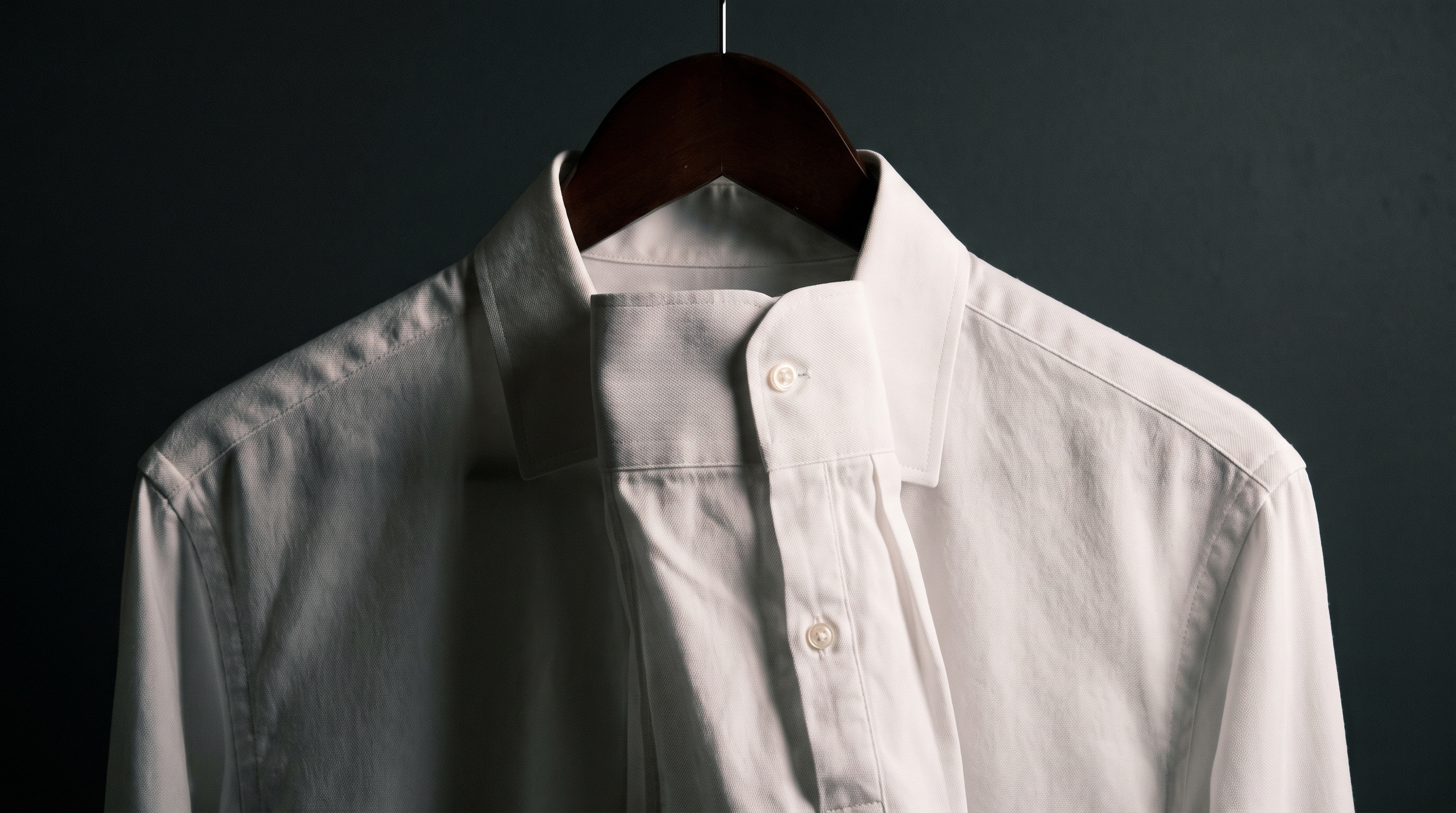
Dry clean only is not a law of physics. It is a manufacturer telling you which method they are prepared to stand behind — and on a great many garments it is chosen because it is the safest thing to print, not because water would do harm.
Dry clean only is often a liability position rather than a fabric requirement. Structured tailoring, leather, viscose and anything with fusible interlining should be respected. Much polyester, cotton and linen can be hand washed cool at your own risk.
What the label is actually saying
There is a meaningful difference between 2 labels that look similar. Dry clean is a recommendation. Dry clean only is a statement that the manufacturer has not tested any other method and will not support one. Neither is a laboratory finding about the fibre in your hands.
How do you read the care symbols?
| Symbol | Meaning | In practice |
|---|---|---|
| Circle, empty | Dry clean, any solvent | Professional cleaning recommended |
| Circle with P | Dry clean, standard solvent | Any high-street cleaner |
| Circle with F | Dry clean, gentle solvent only | Tell the cleaner; some decline |
| Circle, crossed out | Do not dry clean | Water is the intended method |
| Tub, crossed out | Do not wash in water | Take this one seriously |
Swipe to see the full table
Why do brands print it so often?
Because a returned garment is expensive and a cautious label costs nothing. A mixed-fibre garment with a lining, an interlining and 2 different dyes is complicated to test, so the label defaults to the method least likely to generate a complaint.
When to respect it
Some garments genuinely do not survive water, and the failures are not subtle. These are the ones to hand over.
Which garments should never be washed at home?
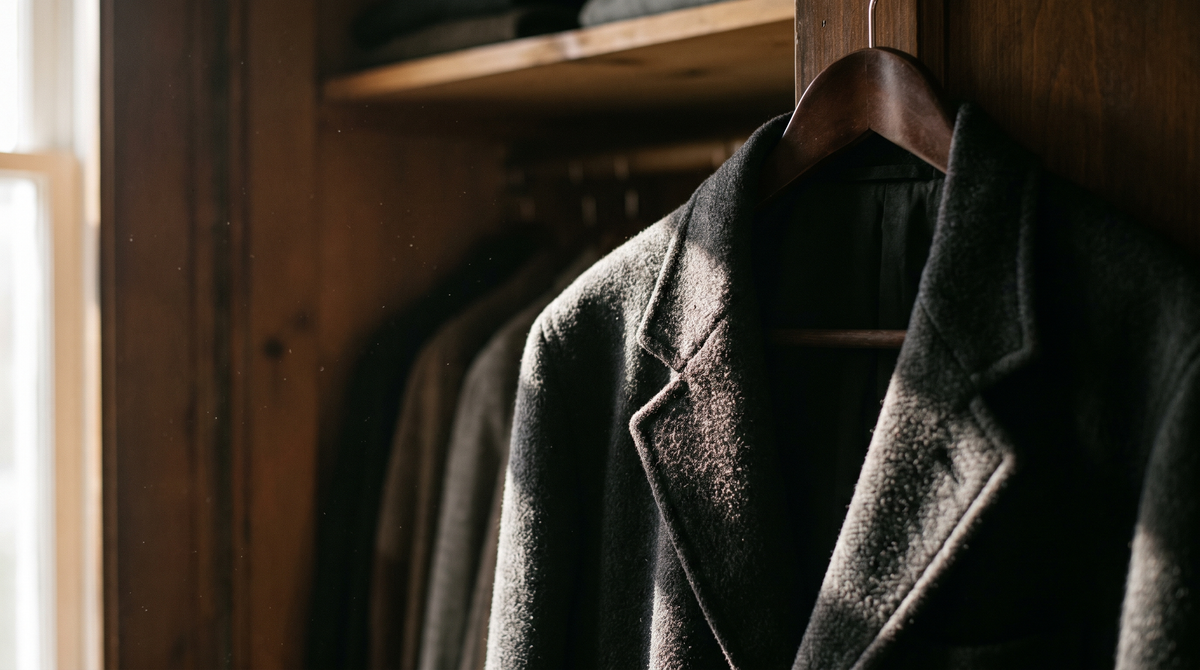
- Structured tailoring — jackets and coats with canvas or fusible interlining. Water separates the layers and the shape never returns.
- Leather, suede and anything with leather trim.
- Viscose, rayon and acetate — these shrink and lose strength when wet, sometimes dramatically.
- Heavily beaded, sequinned or pleated pieces, where the construction rather than the fibre is the risk.
- Anything you cannot afford to replace. This is the honest test.
What about wool suits and silk?
Wool and silk can be washed by hand, cool, with a dedicated wool wash — but only when they are unstructured. An unlined wool jumper or a plain silk shirt is manageable. A tailored jacket is not, whatever the fibre is. And no biological detergent belongs on wool, silk or cashmere in any case: enzymes break down protein and those 3 fibres are protein.
When it is negotiable
Which dry clean only garments can be washed at home?
Unstructured pieces in fibres that handle water well: polyester dresses and blouses, cotton and linen shirts, and most simple unlined garments. If the item is a single fibre, has no interlining and no leather, and holds its shape without construction inside it, the label is usually caution rather than physics.
How should you wash one at home?
- Test for colour fastness first: press a damp white cloth against an inside seam and check for transfer.
- Hand wash in cool water, pressing rather than wringing, with a small amount of a mild detergent.
- Rinse in water of the same temperature.
- Roll in a towel to remove water, then dry flat, away from heat and sun.
The label protects the manufacturer. Judging the garment is your job.
Getting more from a professional clean
Does dry cleaning wear clothes out?
The solvent is not the issue so much as the mechanical handling and the pressing. Frequent cleaning of tailoring flattens the cloth and shortens its life, which is why the trade advice for a suit is to clean it 2 or 3 times a year and brush and air it the rest of the time.
What should you tell the cleaner?
- Point out every stain and say what caused it.
- Flag anything already treated at home.
- Send both halves of a suit together so they age evenly.
- Remove the plastic cover at home and let the garment air before storing it.
Element is for the negotiable half of this list. Our sheets are biological, and the enzymes are what let cotton, linen and synthetic pieces come clean at 30°C rather than at a temperature that would damage them.
1 sheet, 1 load, in the empty drum before the clothes. For a hand wash, dissolve a quarter of a sheet in cool water first, then add the garment.
The other half is not ours, and we would rather say so: structured tailoring belongs with a professional, and wool, silk and cashmere belong with a dedicated wool wash.
See the detergent sheetsKeep reading
Written and fact-checked by the Element for Men editorial team. General guidance only — always follow the care label on the garment.