Skip to content

Cart

Your cart is empty

How it works

Two products. Four minutes of your attention. Then never again.

One sheet cleans. One dose of softener conditions the fibre and carries the scent. The only thing worth getting right is where each one goes — and most people get one of them wrong.

  • Dissolves in seconds
  • Works at 30°C
  • No measuring, no cap

The wash

Three things, and most people get one of them wrong.

01

Sheet in the drum. Not the drawer.

Put it in first, then the clothes on top, so it's in the water from the moment the cycle starts. A sheet in the drawer is a sheet stuck to the drawer.

02

Softener in the ❀ compartment.

Never in the drum. The machine holds it back and releases it in the final rinse, after the detergent has gone — that timing is the whole point.

03

30°C is enough.

The enzymes are built for it. Save the hot cycles for bedding and towels, where you're washing for hygiene rather than for cleaning power.

The drawer

Three compartments. One of them is the flower.

Pull the drawer all the way out and you'll find three. Only one of them is for softener.

PRE-WASH MAIN WASH SOFTENER

Read the symbols, not the positions

The order changes from machine to machine — on some the flower sits in the middle, on others at the end. I is pre-wash and you will almost never use it. II is the main wash. The one with the flower is softener. Fill it to the max line and never past it — overfilling makes the machine siphon it away early, which is the most common reason people think softener "doesn't work".

How much

There is nothing to measure.

  • One sheet, one normal load

    Tear one in half for a small load or a single shirt. Two for a heavily soiled or very full drum.

  • One capful of softener, to the max line

    The line is a limit, not a target. Less is fine. More is not better — it is the thing that stops it working.

  • Same scent in both

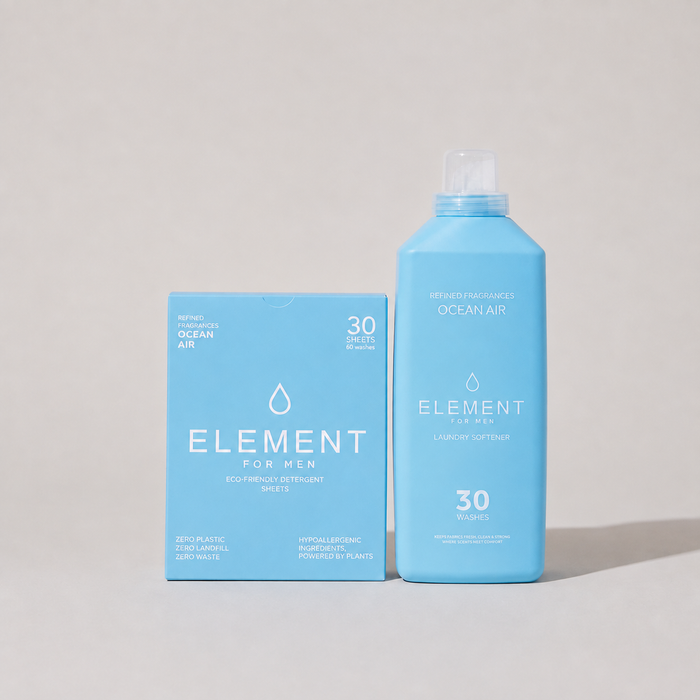
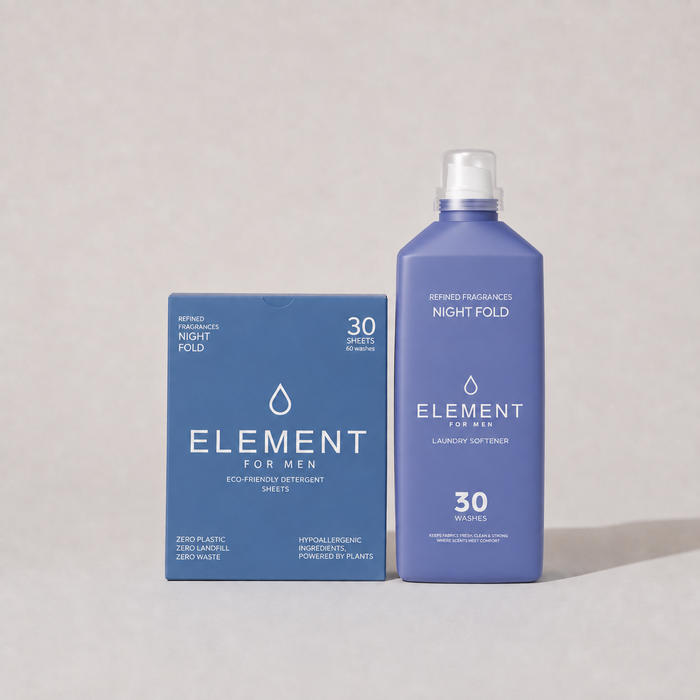
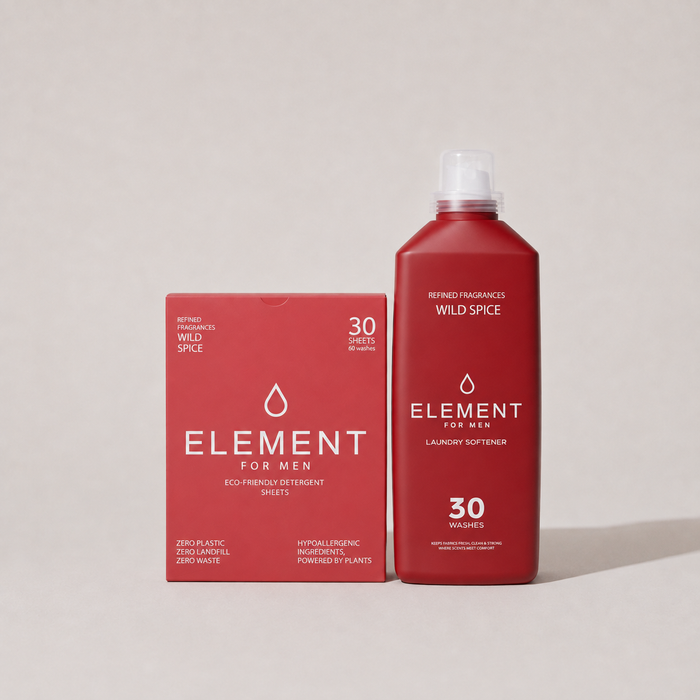
    The sheet and the softener are built to the same fragrance, so nothing fights. It is why the scent is still there at the end of the day rather than gone by lunchtime.

How to judge it properly

Don't smell the bottle. Wash a shirt, dry it fully, then smell it eight hours later. The gap between what a detergent smells like wet and what it smells like at the end of a day tells you everything.