What Is a Laundry Booster? Performance, Water and Scent
One phrase, 3 unrelated products, sold side by side on the same shelf. Working out which one you are looking at is most of the battle — because 2 of the 3 solve a problem you may not have.
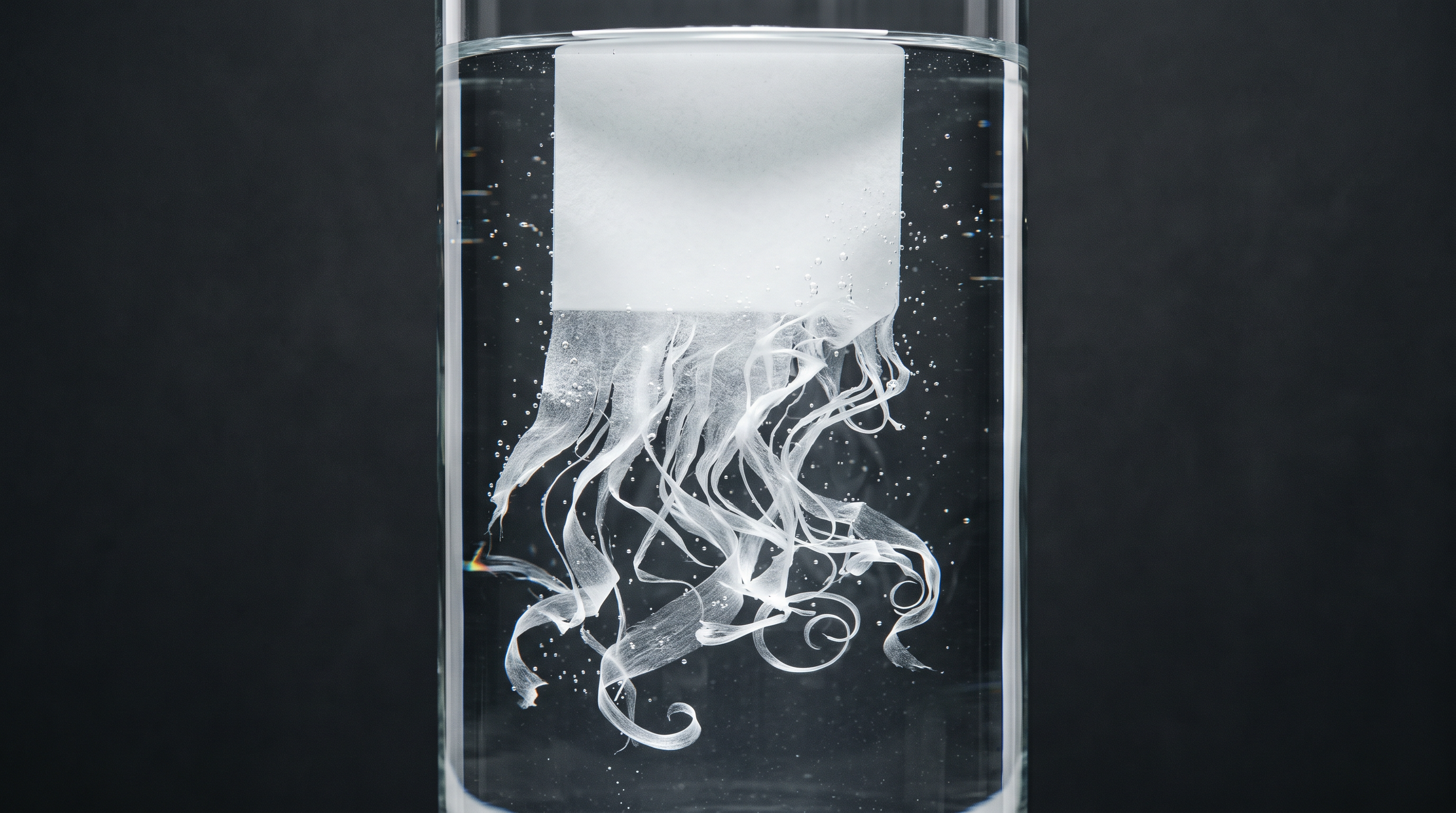
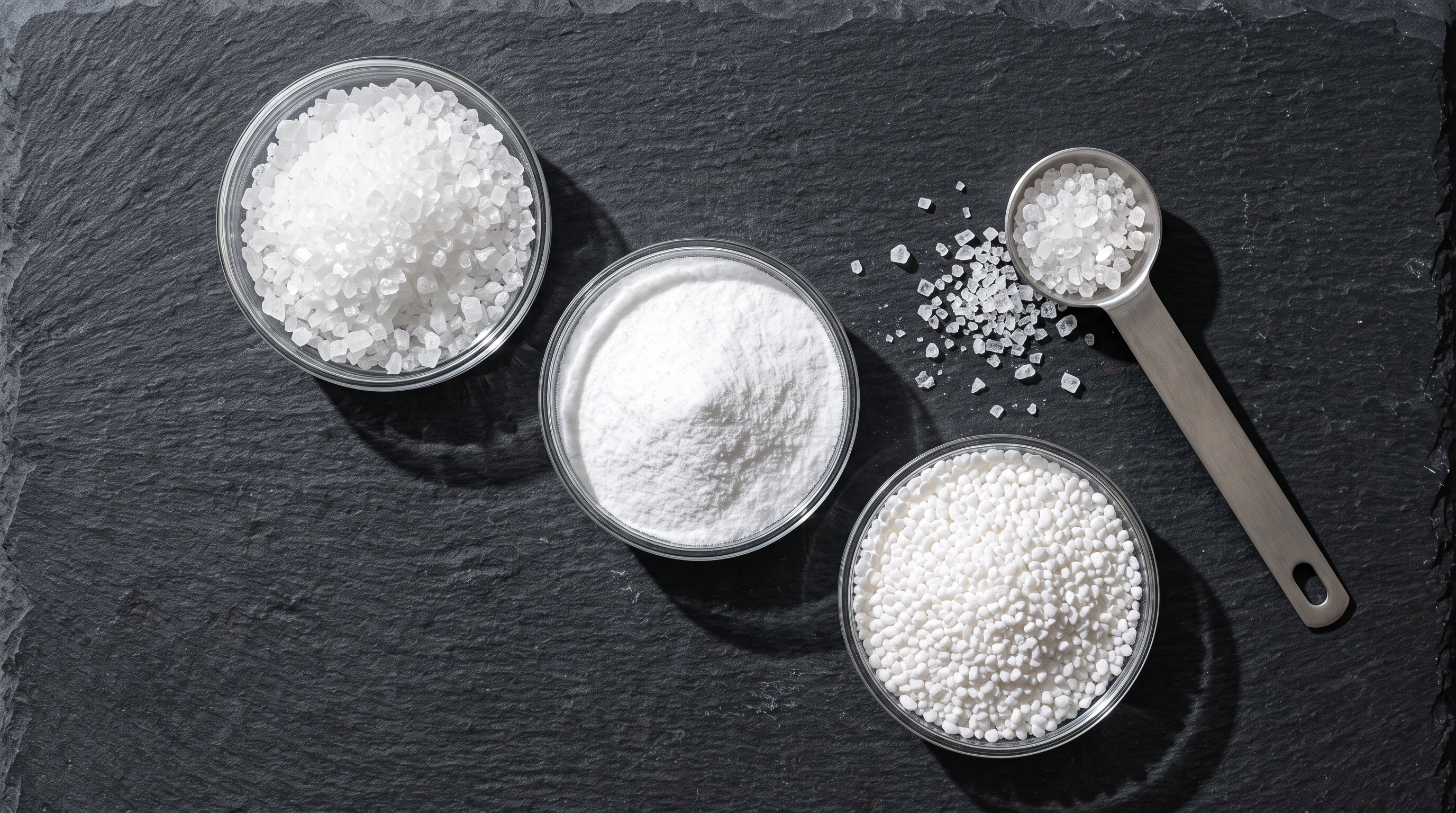
Laundry booster is an umbrella term for 3 different products: performance boosters that add stain-lifting power, water softeners that neutralise hard-water minerals, and scent boosters that add fragrance only. They are not interchangeable, and most people need at most 1.
The 3 kinds
| Type | What it contains | What it fixes | Where it goes |
|---|---|---|---|
| Performance booster | Oxygen bleach (sodium percarbonate), soda crystals, enzyme concentrates | Stains, dinginess, heavily soiled loads | The drum, with the detergent |
| Water softener | Sodium carbonate, zeolites, chelating agents | Limescale, chalky residue, detergent underperforming in hard water | The drum, with the detergent |
| Scent booster | Fragrance, usually encapsulated, on a carrier | Clothes that smell of nothing | The drum or the ❀ compartment, per the pack |
Swipe to see the full table
What is a performance booster?
Usually oxygen bleach — sodium percarbonate, which releases hydrogen peroxide in water — or a concentrated enzyme blend, or plain soda crystals. Its job is the soil the detergent alone is not shifting: set-in stains, greying whites, heavily soiled workwear. Genuinely useful, and genuinely unnecessary for a normal load.
Oxygen bleach works properly above about 40°C and is much weaker at 30°C — worth knowing before you add it to a cool wash and conclude it did nothing.
What is a water softener booster?
Hard water carries dissolved calcium and magnesium. Those minerals bind to detergent surfactants and take them out of action, which is why the same detergent that works well in Glasgow can seem feeble in Cambridge. A water-softening booster sequesters the minerals so the surfactants can get on with their job.
In a hard-water area this is the booster most likely to make a visible difference — and the one people are least likely to buy, because the packaging talks about limescale rather than about clean clothes.
What is a scent booster?
Fragrance and nothing else, usually as beads dropped into the drum. No cleaning, no softening. It exists because detergent fragrance is largely rinsed away by design. Whether it is worth buying depends on whether your scent problem is a fragrance problem or a mechanics problem.
Which one you actually need
- Whites going grey, stains surviving the wash, workwear that never comes clean → performance booster, at 40°C or above.
- Chalky white marks on dark clothes, stiff towels, detergent that seems weak → water softener. Check your water hardness with your supplier first; it is published free.
- Clothes clean but smelling of nothing → work through the mechanics below before buying anything.
Do you need a laundry booster at all?
Most households, most weeks, no. A correctly dosed detergent in a correctly loaded machine handles ordinary soil. Boosters earn their place in specific situations — hard water, heavy soil, a load of whites that has drifted — rather than as a standing addition to every wash.
Adding a booster to every load is also how people end up with residue problems: more product than the rinse can remove, deposited in fabric, attracting soil and stiffening the hand.
Using boosters without causing problems
Are boosters safe on wool, silk and cashmere?
Oxygen bleach and concentrated enzymes are not. Both attack protein, and wool, silk and cashmere are protein fibres. Wash all 3 with a dedicated wool wash and no boosters of any kind. The same caveat applies to every biological detergent, ours included.
Element does not sell boosters, and the honest reason is that most people do not need one. A correctly dosed detergent in a correctly loaded machine, with the softener in the right compartment, solves the problem people usually try to buy a booster for.
Where we do compete is the third category. If the complaint is that clothes smell of nothing, the fix is usually placement, not an additive. Sheet in the drum. Softener in the ❀ compartment. Same scent in both, so the 2 stages agree rather than cancel.
Our sheets are biological — enzymes are what handle sweat and body soil at 30°C. Which also means: not on wool, silk or cashmere. Use a wool wash for those 3.
See the bundlesKeep reading
Written and fact-checked by the Element for Men editorial team. General guidance only — always follow the care label on the garment.