Bio vs Non-Bio Detergent: The Difference, Explained Properly
"Bio or non-bio?" is the most-asked detergent question in the UK — and the answers online are mostly padding. Here is the actual difference, what it means in practice, and how to choose without overthinking it.
The one real difference: enzymes
Biological detergent contains enzymes — typically proteases (which break down protein stains: sweat, blood, grass, egg), lipases (fats and body oils) and amylases (starches). Enzymes are catalysts: they dismantle the stain itself, which is why bio formulas clean effectively at 30–40°C. Lower temperature, same result — cheaper to run and easier on your clothes.
Non-biological detergent contains no enzymes. It cleans with surfactants alone, which generally need higher temperatures or longer cycles to shift the same organic stains.
So why does non-bio exist?
Convention, mostly. Non-bio is traditionally marketed as the milder option, and it remains the default recommendation for newborn laundry in the UK. If that's your situation, follow the guidance you trust. For everyday adult laundry — shirts, gym kit, bedding, the clothes you actually wear — enzymes are what remove the stains your body puts there daily.
Bio vs non-bio at a glance
| Bio | Non-bio | |
|---|---|---|
| Enzymes | Yes | No |
| Sweat, body oil, food stains | Strong — enzymes target them directly | Weaker — needs heat to compensate |
| Works at 30°C | Yes — designed for it | Less effective |
| Wool and silk | Avoid — see below | Safer choice |
| Typical positioning | Everyday performance | Baby-laundry convention |
Is it biological or non-biological washing powder, liquid or sheets?
The bio/non-bio question is about formula, not format. Washing powder, washing liquid, capsules and detergent sheets can each be biological or non-biological — the label will say. There is no format that is inherently one or the other, and the phrase you type into a search box (bio washing powder, bio and non bio washing liquid, biological or non biological detergent) is describing the same single distinction.
Where format genuinely matters is temperature. Powder tends to be sold in higher-temperature, whites-and-heavy-soiling territory, and liquid and sheets in the 30°C everyday range. That is a positioning difference, not a chemistry one. The full format comparison is here.
The one place bio genuinely is the wrong choice: wool and silk
This is the caveat most bio-versus-non-bio articles leave out, and it matters more than any of the myths below.
Protease enzymes break down protein. Wool, silk, cashmere and other animal fibres are protein. A biological detergent used repeatedly on a wool jumper or a silk shirt can degrade the fibre itself — not the stain on it — leaving the garment thinner, weaker and duller over time. It is gradual rather than dramatic, which is why people rarely connect the cause to the effect.
For wool and silk, use a non-bio detergent or a dedicated wool wash, cool water and a delicate cycle. This is the same principle behind washing linen properly: match the detergent to the fibre rather than using one thing for everything.
Where do detergent sheets sit?
A detergent sheet is just detergent in a concentrated, pre-measured format — so the bio vs non-bio question applies to sheets exactly as it does to liquid or powder. It depends on the formula, not the format.
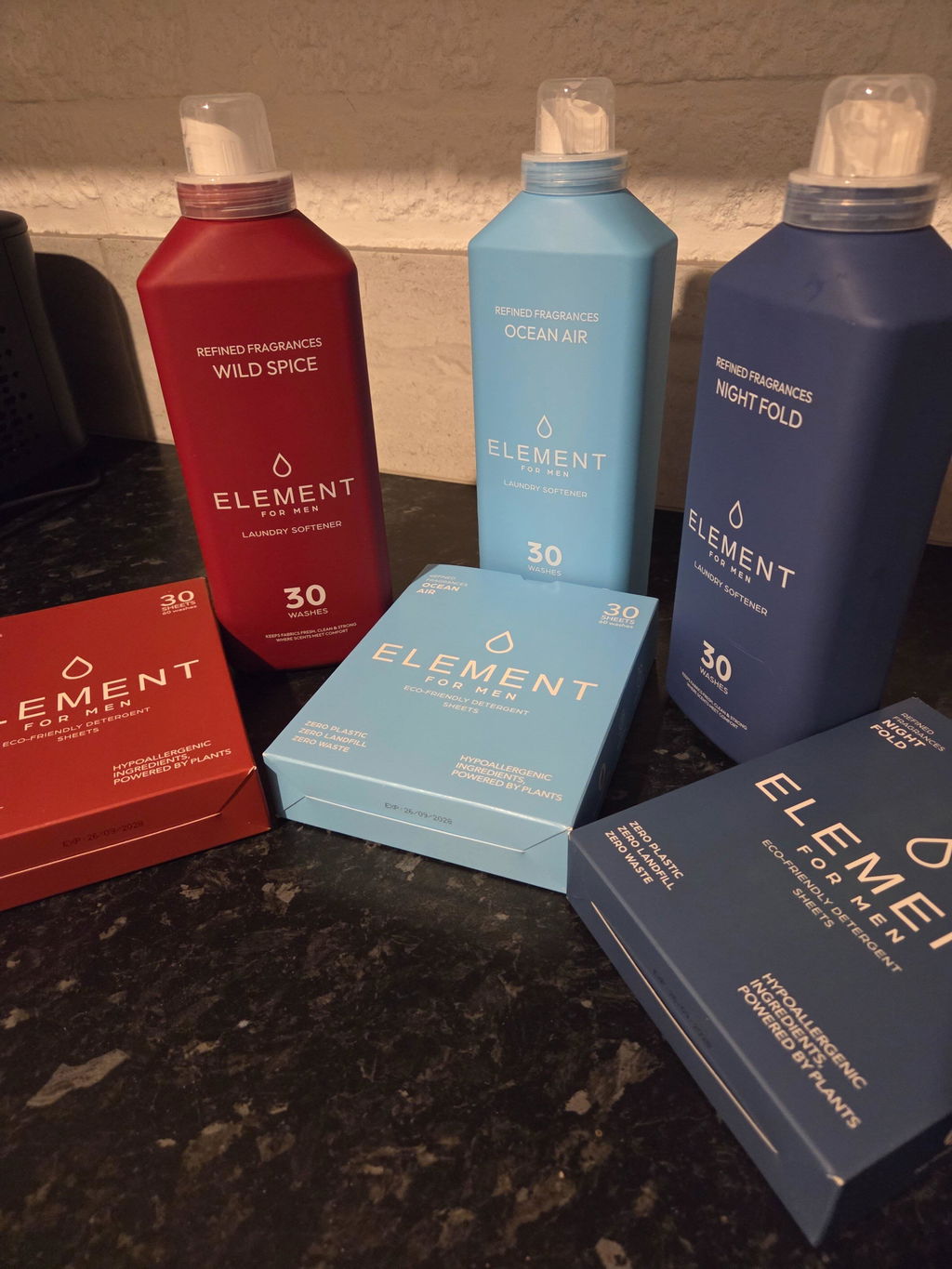
Element's detergent sheets are biological: the formula uses enzymes — proteases and lipases — because the loads our customers actually run are shirts worn through long days, gym kit and bedding. Those are protein-and-oil stains, and enzymes are the honest tool for the job. One sheet in the drum, a 30°C cycle, done. Keep them off your wool, per the section above.
Does bio or non-bio matter for hard water?
Less than people assume. Water hardness affects how well surfactants lather and how much limescale builds up in the machine, not whether enzymes work. In a hard-water area the more useful changes are dosing correctly rather than over-dosing, and running an occasional hot maintenance wash on the empty machine. Neither is a bio/non-bio decision.
Three myths worth retiring
"Bio damages clothes." On cotton and synthetics, enzymes target stains rather than fabric — the everyday risks to those clothes are overdosing, overloading and unnecessary heat, all of which a pre-measured sheet at 30°C helps you avoid. The genuine exception is protein fibres: wool and silk, covered above. So the myth is half wrong, which is why it persists.
"Non-bio doesn't clean." It does — it just works harder at higher temperatures for organic stains. If you run hot washes anyway, the gap narrows considerably.
"Bio smells stronger." Scent has nothing to do with enzymes. Fragrance is a separate part of any formula — which is why we treat it as seriously as the cleaning. That's its own subject.
How to choose in ten seconds
Everyday adult laundry, lower temperatures, real stains: bio. Wool, silk or cashmere: non-bio or a dedicated wool wash. Newborn laundry, or specific guidance you have been given: non-bio. That's the whole decision. Pair either with a properly-dosed conditioner and you have a complete routine.
Related reading: sheets vs liquid vs pods vs powder · laundry sheets vs pods · UK laundry brands compared.