

Where Does Fabric Softener Go — and Is It the Same as Fabric Conditioner?
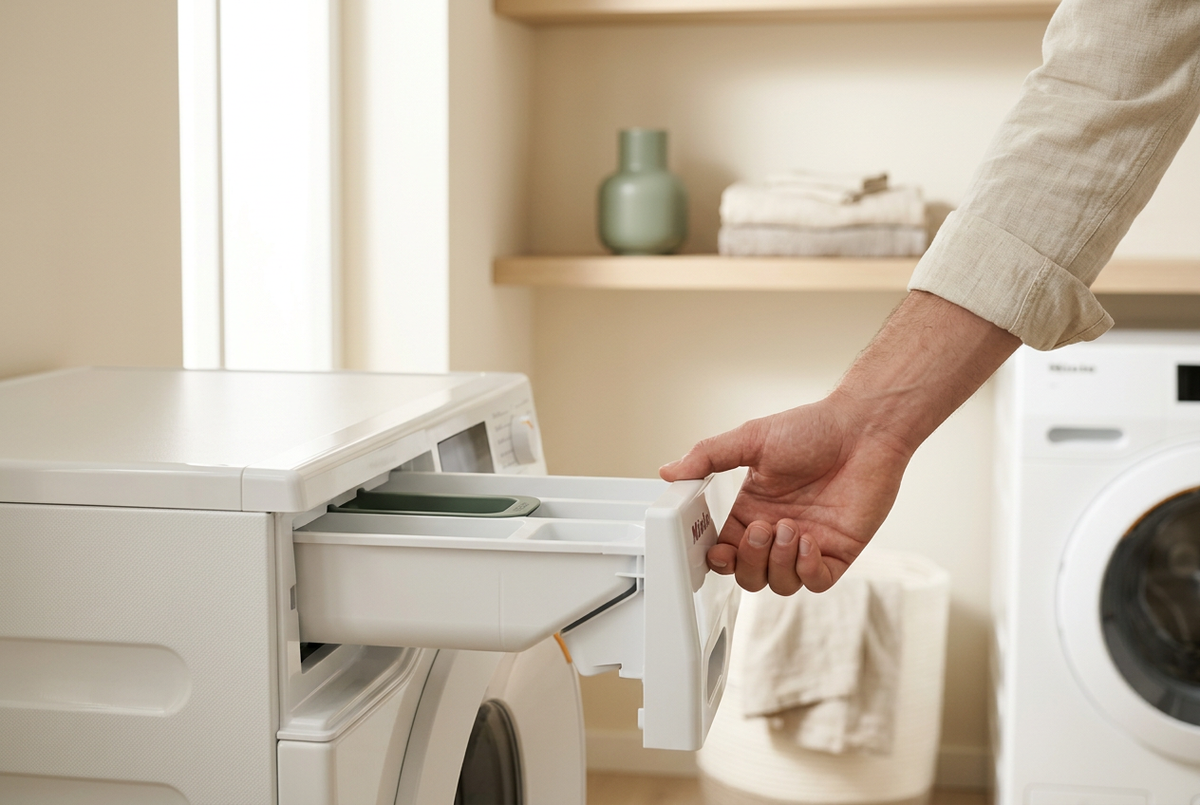
Every washing machine drawer looks like it was designed to confuse you. Three compartments, three cryptic symbols, no explanation. Most people guess — and pour softener straight onto the wash, where it does nothing except get rinsed away with the detergent.
Two minutes here fixes it permanently.
The drawer, decoded
Almost every front-loading machine uses the same three symbols:
| Symbol | Compartment | What goes in it |
|---|---|---|
| II (or 2) | Main wash | Detergent for the main cycle — liquid or powder. (If you use detergent sheets, they skip the drawer entirely and go straight in the drum.) |
| I (or 1) | Pre-wash | Detergent only if you've selected a pre-wash cycle. Most washes: leave it empty. |
| ❀ (flower or star) | Softener | Fabric softener, up to the MAX line — never past it. |
The flower compartment is the clever one. The machine doesn't use it straight away — it holds the softener back and releases it during the final rinse, after the detergent has done its work and been rinsed out. That timing is the entire point: softener needs clean fabric to work on.
Is fabric conditioner the same as fabric softener?
Yes. Same product, two names. "Fabric conditioner" is the more common term on UK shelves; "fabric softener" is the more common term everywhere else. Manufacturers use them interchangeably, and so does everyone's search history. Whatever the label says, it goes in the flower compartment.
What fabric softener actually does
Softener isn't a second detergent. It doesn't clean anything. During the final rinse it deposits a fine conditioning layer on the fibres, which is what makes fabric feel softer, reduces static, and — the part we care most about — carries fragrance that stays on the fabric after drying rather than rinsing away.
That's why detergent and softener aren't rivals; they're two halves of one routine. Detergent cleans and leaves; softener arrives last and stays.
How much should you use?
Less than you think. Fill to the compartment's MAX line at most — overdosing doesn't make clothes softer or the scent stronger, it just builds residue in the drawer. A 1L bottle of Element fabric softener is dosed for 30+ washes.
When you should skip softener
Honesty over upsell — softener isn't for every load:
Technical sportswear. Moisture-wicking fabrics work by moving sweat through the weave. A conditioning layer can interfere with that, so most sportswear brands advise washing technical kit without softener. Save it for your cotton.
Towels. Softener with every towel wash can gradually reduce absorbency. Use it every few washes rather than every time — soft towels that still do their job.
Anything labelled "do not use fabric conditioner." Some technical and flame-resistant fabrics say so on the care label. The label wins.
No drawer? No problem
Some older top-loaders have no softener compartment. Either use a dosing ball placed in the drum at the start of the rinse cycle, or add softener manually when the final rinse begins. Never pour softener directly onto dry clothes — undiluted softener can mark fabric.
The Element approach
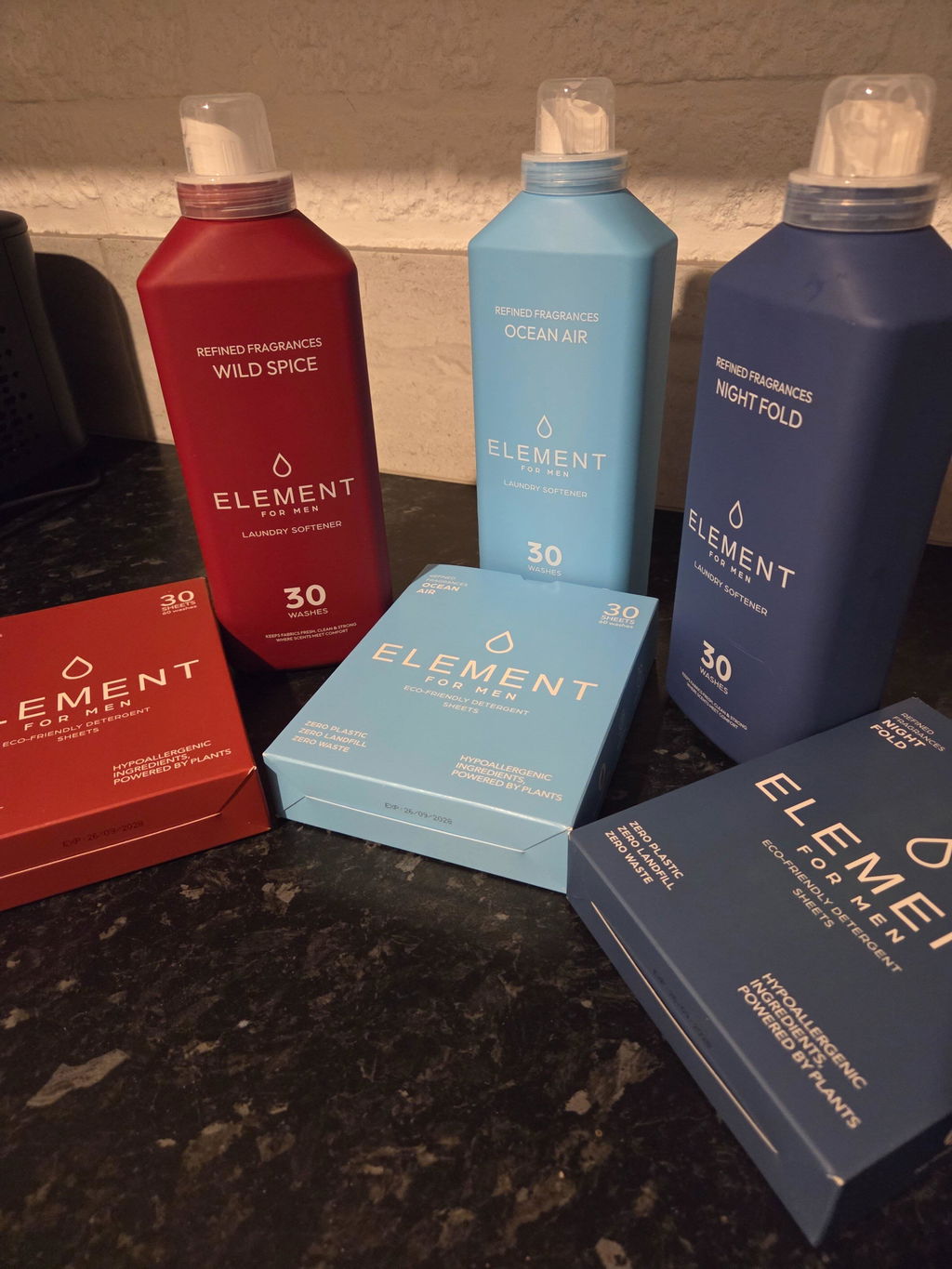
Most softeners are built to smell like softener. Ours are built like fragrance — top, heart and base notes, designed to be noticed at 5pm, not just at the machine door. Three scents: Ocean Air (soft, warm, everyday), Night Fold (fresh, musky, evening), and Wild Spice (warm, bold, distinct).
The pairing matters more than either half: detergent sheet in the drum, matching softener in the flower compartment, same fragrance family front to back. That's the logic of the Element bundles — sheets plus softener, one scent, one routine.
Related reading: why fabric softener makes clothes smell better · laundry sheets, explained · how to judge a best-smelling detergent.
%20in%20your%20detergent%20drawer%20%E2%80%94%20usually%20the%20smallest%20of%20the%20three.%20The%20machine%20holds%20it%20back%20and%20releases%20it%20in%20th...)