

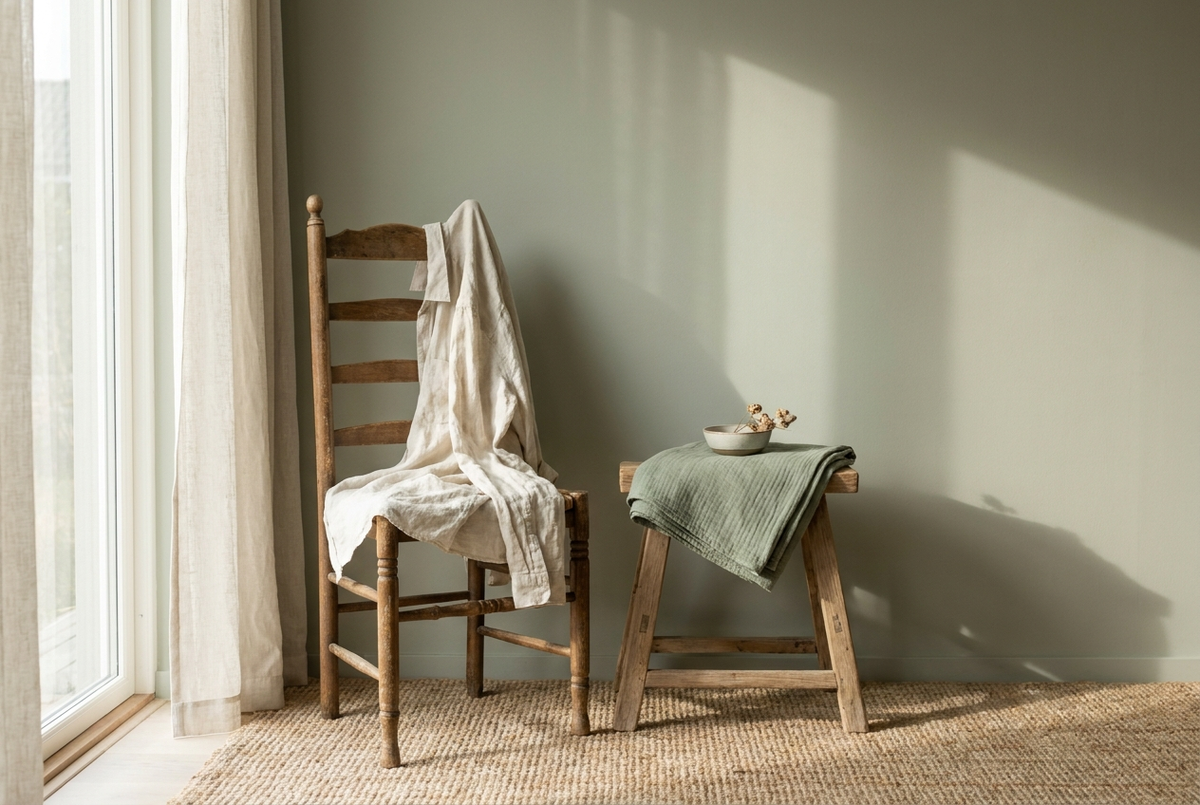
How to Wash Linen Shirts Without Wrecking Them
Linen is a strong fibre that people treat as a fragile one, and then treat carelessly in the one place it actually is fragile: heat and agitation. Get those two right and a linen shirt improves for years.
How do you wash a linen shirt in a washing machine?
- Check the label first. Most modern linen is machine-washable. Tailored linen jackets, structured pieces and anything with an interfaced collar are usually dry-clean only, and that is not a suggestion.
- Wash cool. 30°C. Linen shrinks with heat, and most of the shrinkage that people blame on the fibre happens in a 40°C wash or a hot dryer.
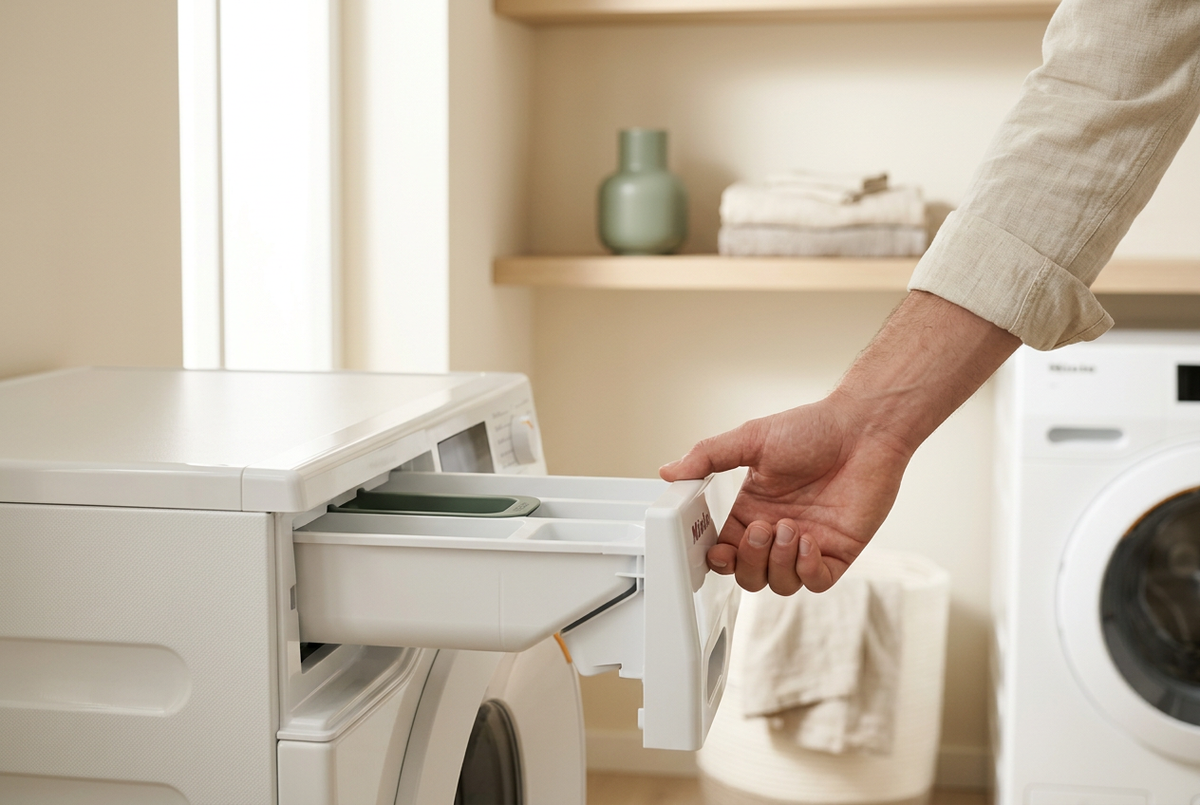
- Use the delicates or gentle cycle. The goal is less mechanical action, not less water.
- Half-fill the drum. Linen needs room to move. A packed drum is what creates the hard creases that never come out.
- Spin low. 600–800 rpm. A high spin drives deep creases into the weave that no amount of ironing fully resolves.
- Take it out damp. Not dry, damp. Shake it out sharply, smooth the seams and collar with your hands, and hang it.
What temperature should linen be washed at?
30°C for anything you wear. White linen bedding and tea towels can take 40°C occasionally if they need it, but every hot wash costs a little softness and a little size. Cool water plus a decent detergent handles the actual job — modern detergent is designed to work at 30°C.
Can you tumble dry linen?
You can, and you should not. Tumble drying is the single fastest way to shrink linen, roughen the hand-feel and set creases permanently. If you have no alternative, use the lowest heat setting and pull it out while it is still noticeably damp — then hang it to finish.
Air drying is not just the safe option here, it is the better one. Linen dries fast, and it dries flatter under its own weight than it ever will in a drum.
Should you use fabric conditioner on linen?
No. This is the mistake that surprises people, because conditioner is exactly what you would reach for if linen feels stiff.
Fabric conditioner works by depositing a thin coating on fibres. On linen that coating flattens the texture the fabric is bought for, and it interferes with the absorbency and breathability that make it worth wearing in July. Linen softens naturally with every wash — that is the whole appeal, and it does not need help.
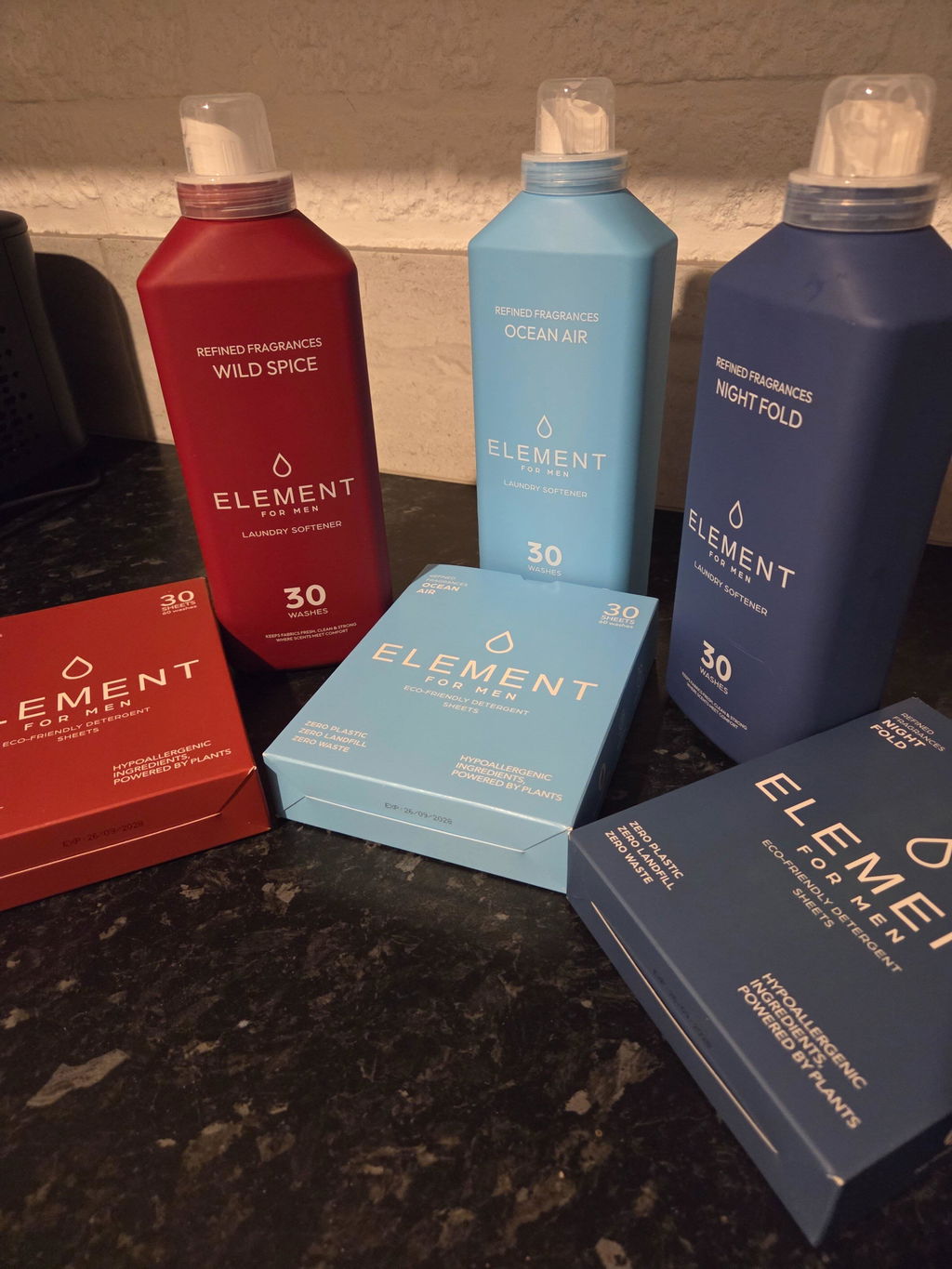
If you want scent on linen, it should come from the detergent, in the wash, not from a coating in the rinse. Element's detergent sheets dissolve in seconds at 30°C and carry the fragrance in the wash itself, which is the right route for linen and for anything else you want to keep breathable.
How do you get creases out of linen without ironing?
Hang it damp and let gravity do it. A linen shirt taken out of the machine at 600 rpm, shaken hard, smoothed by hand and hung on a proper hanger will dry with most of its creases gone.
If you want it crisper, iron it while it is still slightly damp, on a medium-hot setting, from the inside out. Ironing bone-dry linen is twice the work and can polish a shine onto dark colours.
And a note on expectations: linen creases. That is the fabric, not a fault. Trying to make linen look like poplin is a losing project.
How to wash linen trousers, shorts and bedding
Trousers and shorts: same routine as a shirt. Turn them inside out to protect pocket bags and any topstitching, and hang them by the waistband so the leg weight pulls the creases out.
Bedding: the one case for a slightly warmer wash — 40°C is fine for white linen sheets, though 30°C is enough most weeks. Wash it alone; a duvet cover in a mixed load turns into a bag that traps everything else. Take it out damp and put it straight on the bed if you can, and it will finish drying flat.
Coloured and dark linen: wash inside out, cool, and keep it out of direct sun to dry. Linen takes dye well but strong sunlight fades it faster than the wash does.
Why linen is worth the small amount of care
Linen is made from flax, which needs far less water and far fewer inputs than cotton. It is stronger wet than dry, it gets softer with age instead of wearing out, and it regulates temperature in a way no synthetic manages. A good linen shirt washed properly will outlast most of the wardrobe around it.
The routine above is thirty seconds of decisions and then nothing. Cool, gentle, low spin, no conditioner, hang it damp.
Related reading: bio vs non-bio, and why it matters for natural fibres · how long scent lasts on clothes · building a better laundry routine.

,%20in%20a%20drum%20no%20more%20than%20half%20full.%20Use%20a%20mild%20detergent,%20skip%20the%20fabric%20conditioner,%20and%20never%20use%20b...)