Sports Detergent: What Actually Works on Gym Kit and Sportswear
"Sports detergent" is a real category with real products in it, and a fair amount of the marketing behind it is solving a problem with the wrong tool. Worth understanding what is actually happening in the fabric before you buy a second detergent.
Why gym kit smells when a cotton shirt doesn't
Sweat, on its own, is close to odourless. The smell comes from bacteria on your skin metabolising the compounds in sweat and in sebum, the oil your skin produces. That process is the odour.
Cotton is hydrophilic — it likes water. It absorbs sweat, and a normal wash cycle flushes most of it out. Polyester, nylon and elastane are the opposite: oleophilic, meaning they attract and hold oil. Technical sportswear is engineered to move water away from your skin, which it does well, but the same chemistry means skin oils bind into the fibre and stay there.
So the kit comes out of the wash smelling clean, dries, and then twenty minutes into the next session the smell is back. Nothing has failed. The residue was never removed in the first place, and warmth plus fresh moisture reactivates it.
Do you need a specialist sports detergent?
Usually not. What a sports-specific detergent typically does is lean harder on surfactants and enzymes that target oils and proteins — useful, but not exotic. A well-formulated everyday detergent contains the same classes of ingredient.
What genuinely changes results is technique, and technique is free. In our experience the six things below fix far more gym-kit odour than switching detergent brand does. We sell detergent, and we would still rather you fixed the routine first.
The six that actually matter
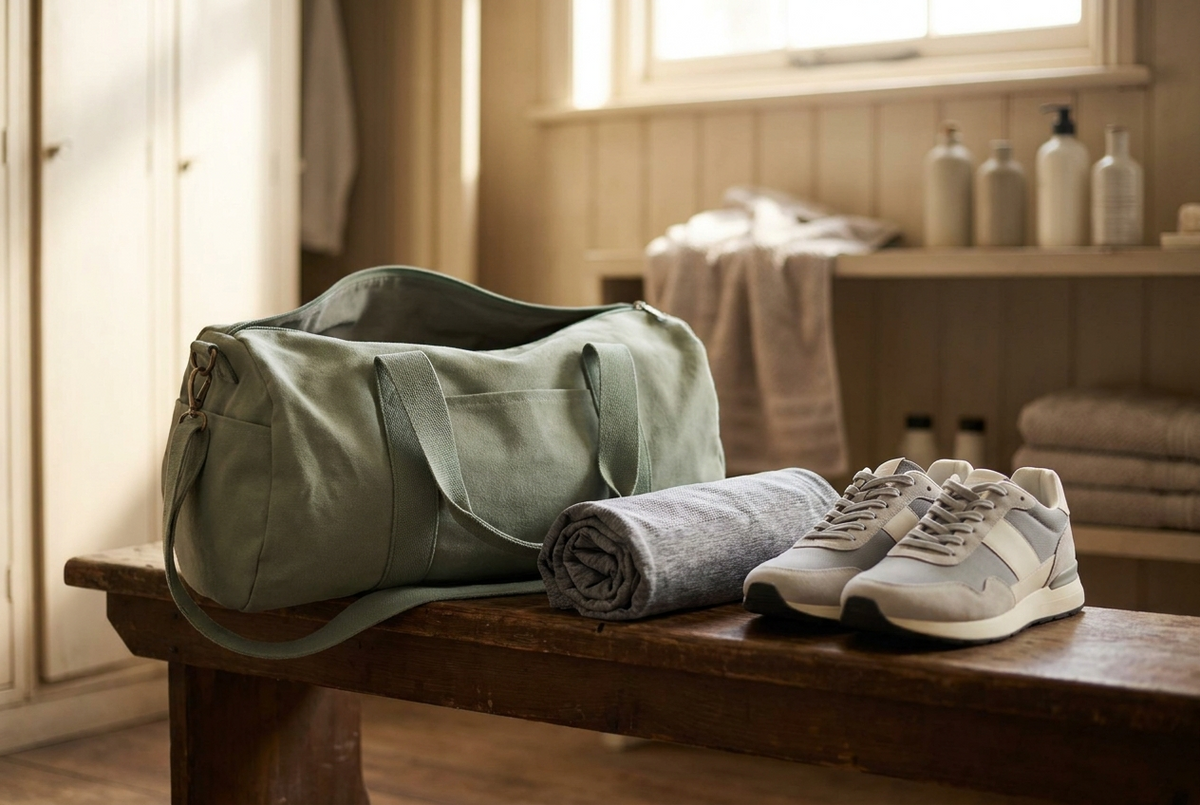
1. Don't leave it in the bag. The single biggest one. Damp kit in a sealed gym bag is an incubator — bacteria multiply for hours before the wash even starts, and by then you are removing a much bigger problem. If you can't wash it that day, hang it out to dry rather than leaving it balled up.
2. Turn it inside out. The odour lives on the inner surface, because that is the side against your skin. Washing it inside out puts the dirty face where the water and detergent actually reach it. It also protects printed logos and reduces pilling.
3. Stop using fabric softener on technical kit. This is the one most people have backwards. Softener works by leaving a thin conditioning layer on the fibre — lovely on cotton, counterproductive here. On performance fabric that layer sits in the weave, reduces the wicking the garment was built for, and gives odour bacteria something to hide behind. It is also why softener-washed kit often smells worse over time, not better. Keep softener for your cotton and your wardrobe.
4. Give the drum room. Sportswear needs mechanical action — fabric moving against water — to release trapped oils. A packed drum can't move, so nothing agitates properly and the wash under-delivers. Two-thirds full is the working limit.
5. Wash at 30°C, but wash properly. There is a widespread belief that gym kit needs a hot wash. Most technical fabric has a 30°C care label, and exceeding it damages elastane and shortens the garment's life. 30°C is enough if the other five points are right. Hot washing is a workaround for a routine problem.
6. Dry it fully, and fast. Kit left damp in the machine or drying slowly in a cold room picks up mustiness on top of the original odour. Get air to it. Most technical fabric should not be tumble dried anyway — it air dries quickly by design.
If the smell is already set in
For kit that has been through several washes and still turns at the first sign of heat, a pre-soak before a normal wash is the usual reset: cool water, a small amount of detergent, an hour, then wash as usual inside out. Repeat rather than escalating to hot water or bleach — bleach degrades elastane and you will feel it in the fit.
There is a fuller walkthrough of the stubborn cases in getting sweat smell out of clothes.
What we make, and where it fits
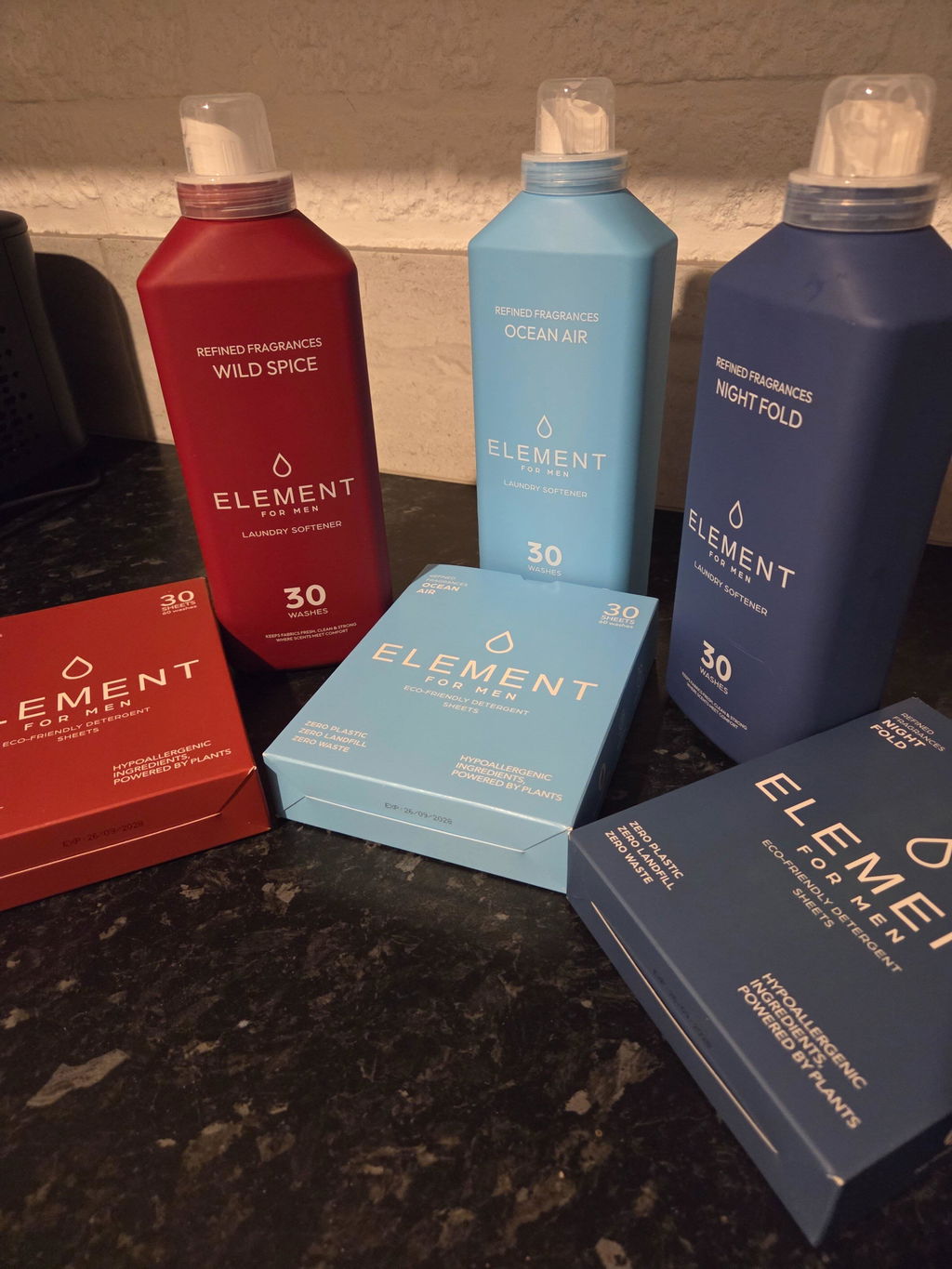
We don't sell a separate sports detergent, for the reason above — we didn't think the category needed another one. Element is a concentrated detergent sheet designed to work at 30°C, free from dyes and phosphates, that goes straight into the drum with no drawer and no measuring. For gym kit, one sheet, kit inside out, no softener.
The part people actually notice is the scent. Our sheets are built like fragrance rather than like household cleaning — top, heart and base notes, meant to still be there at the end of the day. Ocean Air is the soft, easy one and the most common choice for kit; Wild Spice is warmer and bolder; Night Fold is the refined evening one. £7.99 for thirty washes, or £14.99 for the sheet and the matching conditioner together.
Related reading: how to wash trainers · bio vs non-bio detergent · why clothes don't smell fresh after washing.