Stain removal, by mechanism
Almost every stain guide online is a list of remedies. This one is organised by why stains behave the way they do, because once you can classify a stain you can work out the treatment yourself — including for stains nobody has written a listicle about.
The principle
What are the different types of stain?
Five classes, and the class determines the treatment. Protein — blood, sweat, egg, dairy. Oil and grease — sebum, food oil, cosmetics, engine oil. Tannin — tea, coffee, wine, fruit juice. Dye — ink, grass, turmeric. Particulate — mud, soot, sand. Most real-world stains are combinations, which is why gravy and make-up are harder than any single class.
Why does the type of stain matter so much?
Because the treatments are contradictory. Heat sets protein stains permanently — it cooks them into the fibre. Heat helps oil stains, because it melts and mobilises the grease. Use hot water on blood and you have made it permanent; use cold water on sebum and you have achieved very little. Getting the class right is most of the job.
What is the single most important rule of stain removal?
Deal with it before it dries and before it meets heat. A fresh stain is sitting on and between fibres; a dried, oxidised or heat-set stain has bonded to them. And never tumble-dry a garment with a stain still in it — the dryer is the most reliable stain-setting device in your house.
Should I blot or rub a stain?
Blot. Rubbing drives the stain deeper into the weave, spreads it outward, and abrades the fibre surface — which leaves a dull patch that reads as a mark even after the stain is gone. Press with something absorbent and lift.
Why do you work a stain from the back?
To push it out the way it came rather than through the fabric. Lay the garment stain-side down on kitchen roll and apply water or treatment to the reverse. You are using the flush to drive the stain out of the fibre and into the towel, instead of forcing it further through.
Does hot water set stains?
For protein, yes — permanently, and it is the most common irreversible mistake. Hot water denatures the protein and bonds it to the fibre, exactly the way an egg sets in a pan. For oil-based stains hot water helps. Same water, opposite outcomes, which is why classification comes first.
What do enzymes do in stain removal?
They cut large soil molecules into smaller ones that dissolve and rinse away. Protease breaks down protein, lipase splits fats into fatty acids and glycerol, amylase handles starch, and cellulase tidies the cotton surface. They are catalysts — they need time and a temperature they can work in. This is why a soak often beats a hotter wash.
Why does soaking work?
Time. Enzymes work at a rate, and a wash cycle gives them 30 to 60 minutes. A soak gives them hours. For set-in protein and lipid soil, time in enzyme solution does more than mechanical action or heat — and it does not risk the fabric.
What is oxygen bleach and when should I use it?
Sodium percarbonate — it releases hydrogen peroxide in water, which oxidises coloured stain molecules until they no longer absorb visible light. It is excellent on tannin and dye stains, works on most colours without stripping them, and is far gentler than chlorine bleach. It needs warmth to activate properly. Check the care label triangle first.
Why can I still see a mark after the stain is gone?
Usually one of three things: the fibre has been abraded by rubbing so it scatters light differently; a ring of dissolved-but-not-removed soil has dried at the edge of the wet area; or the surrounding fabric has been cleaned and the stained patch has not. Rewash the whole garment rather than spot-treating again.
Protein stains
How do I remove blood from clothes?
Cold water, immediately, and never anything warm. Rinse from the back under a cold tap until the water runs clear, then soak in cold water with an enzyme detergent for a few hours. Wash cold. Any heat at any stage — including the dryer — sets it permanently.
How do I remove dried blood?
Soak in cold water with an enzyme detergent for several hours or overnight, then work gently and rinse. If it survives, oxygen bleach on a white or bleach-safe colour will handle the residual mark. Patience beats force; scrubbing damages the fibre and you will still see the mark.
How do I get sweat stains out of shirts?
The yellow underarm mark is usually not sweat — it is aluminium salts from antiperspirant reacting with sebum and protein and building into a stiff deposit. Soak in an enzyme detergent, pre-treat the area, wash at 40°C with an extra rinse. Once it has stiffened the fabric it is very difficult, so treat it early and consider applying less antiperspirant.
Why do white shirts go yellow under the arms?
Aluminium-based antiperspirant reacts with sebum and sweat proteins, and the resulting complex oxidises and yellows over time. It is a build-up, not a single stain — which is why it appears gradually and resists ordinary washing. Prevention beats removal here: less product, more rinsing, wash sooner.
How do I remove milk or dairy stains?
Protein and fat together, so treat it as protein first — cold rinse, no heat — then let an enzyme detergent handle both. Soak, then wash warm once the protein is dealt with. Going straight to hot sets the protein and leaves you with a permanent mark plus a grease shadow.
How do I get egg out of fabric?
Cold water only, and scrape off any solids first without pressing them in. Soak in cold enzyme solution. Egg is the textbook protein stain — it will literally cook into the fibre with heat, and once it has, it is not coming out.
Oil and grease
How do I remove oil or grease stains?
Do not add water first — water and oil will not co-operate and you will spread it. Cover the stain in something absorbent, cornflour or talc, and give it fifteen minutes to draw the oil out. Brush it off, work a small amount of neat detergent into the mark, leave it briefly, then wash as warm as the label allows. Heat helps here.
How do I remove old, set-in grease stains?
Repeat treatment, with patience. Work neat detergent into the dry mark and leave it for an hour so the surfactant can get around the oil, then wash warm. Oxidised oil bonds increasingly to fibre with age, so old grease often needs two or three cycles. Do not tumble-dry between attempts.
Why does a grease stain reappear after washing?
Because it was never removed — it was dispersed. The wash spread the oil enough to become invisible while wet, and as the garment dried the remaining oil migrated back and re-concentrated. It means the surfactant did not fully lift it: treat directly, wash warmer, and give it more contact time.
How do I get make-up off a collar?
Foundation is pigment suspended in oil, so treat it as a grease stain with a dye component. Neat detergent worked into the mark, left for ten minutes, then washed as warm as the label allows. Do not rub — you will spread the pigment across a wider area and make it worse.
How do I remove butter or cooking oil?
Absorb first with cornflour, then neat detergent on the mark, then the warmest wash the label permits. The mistake is rinsing under a cold tap on instinct — that spreads it and chills the fat so it will not emulsify.
How do I remove engine oil or chain grease?
Hardest of the grease family, because it carries particulate carbon as well as oil. Absorb what you can, work neat detergent in, leave it, wash warm, and accept it may take several attempts. On heavy workwear this is one of the loads where sheets are not the strongest tool — a heavy-duty liquid has more actives to throw at it.
How do I remove deodorant marks from a dark shirt?
The white smear is transferred product, not a stain. Rub the area against itself, or use a clean dry cloth or a pair of tights, and it usually lifts dry. If it has been through a wash and set, treat it as a grease stain — neat detergent, contact time, warm wash.
Tannin and dye
How do I remove red wine?
Blot, do not rub. Flush the back with cold water to dilute and push it out. Then oxygen bleach in warm water if the fabric allows — wine is a tannin stain and oxidation is the mechanism that works. Skip the salt: it absorbs some liquid but does nothing to the chromophores, and it is not why the internet thinks it works.
Does white wine remove red wine?
No. It is dilution with an expensive liquid. Any cold liquid dilutes a fresh stain; water does it just as well and costs nothing. The myth persists because dilution genuinely helps — people just credit the wrong liquid.
How do I remove tea or coffee?
Both are tannin. Flush with cold water immediately, then treat with oxygen bleach in warm water. Milk in the cup adds a protein element, so if it is a milky coffee, cold-rinse first for the protein before you go warm. Dried tannin stains oxidise and darken, so speed matters.
How do I remove grass stains?
Grass is chlorophyll — a dye stain, and one that binds well to cotton. Neat detergent worked in, then oxygen bleach if the fabric allows. Surgical spirit on a cloth works on stubborn marks because chlorophyll is alcohol-soluble; test on a hidden seam first.
How do I remove ink?
Depends on the ink. Ballpoint is oil-based and responds to surgical spirit dabbed through the back onto kitchen roll, changing the paper as the ink transfers. Water-based and gel inks respond to cold water and detergent. Permanent marker largely does not come out. Test any solvent on a hidden seam.
How do I remove turmeric or curry stains?
Curcumin is an aggressive natural dye and one of the hardest domestic stains. Wash out what you can, then put the garment in direct sunlight while damp — curcumin is genuinely photosensitive and UV breaks it down, which is the one household remedy that works better than most chemistry. Oxygen bleach helps on whites. Do not use heat first.
How do I remove tomato or pasta sauce?
Two stains in one: lycopene dye plus oil. Scrape off solids, flush cold from the back, work neat detergent in to handle the oil, then wash. If a red shadow survives, oxygen bleach on the remaining dye. Sunlight helps here too.
How do I remove fruit juice or berry stains?
Tannin and dye. Flush with cold water immediately — speed matters more here than technique, because these oxidise and darken fast. Then oxygen bleach in warm water. Never use hot water first: many fruit stains have a sugar component that caramelises with heat and sets.
How do I remove chocolate?
Protein, fat and tannin at once. Scrape off solids, cold-rinse from the back for the protein and the milk, then work detergent in for the fat and wash warm. Getting the order wrong — heat first — sets the protein and leaves a permanent shadow.
Everything else
How do I remove mud?
Let it dry completely, then brush it off. This is counter-intuitive and it is correct — mud is particulate, and wet mud smears into the weave while dry mud crumbles out. Once the bulk is gone, wash normally. Attacking wet mud with water is how a small mark becomes a large one.
How do I remove candle wax?
Harden it first — an ice cube or the freezer — then crack and lift off as much as possible. Put kitchen roll above and below what remains and press with a warm iron; the wax melts and wicks into the paper. Change the paper as it saturates. Any residual dye then treats as a dye stain.
How do I get rid of limescale marks on clothes?
Not really a stain — mineral deposit from hard water, and it is why fabric goes grey and stiff in hard-water areas. White vinegar in the rinse dissolves it. The lasting fix is addressing hardness: your detergent's sequestrants are being consumed by the water before they get to your clothes.
Why are my whites going grey?
Three usual suspects, often together: limescale depositing in fibre in hard-water areas, redeposited soil from overloading so there is nowhere for lifted dirt to go, and under-dosing relative to your water hardness. Wash whites separately, do not pack the drum, and if you are in a hard-water area you need more product than the box assumes.
What is a colour run and can I fix it?
Loose dye released from one garment redepositing on others in the wash — usually a new, unwashed, deeply-dyed item, and hot water makes it far worse. Act while the fabric is still wet: a colour-run remover works best before the garment has dried and set. Once dried and tumbled, results drop sharply.
Does salt stop colours running?
Not in a domestic wash. Salt is used industrially to help fix reactive dye during manufacture, and that is where the folklore comes from — but the conditions are nothing like your machine. It will not stop a new red shirt bleeding. Wash new dark items separately for the first few washes instead.
How do I remove chewing gum?
Freeze it. Put the garment in a bag in the freezer for an hour until the gum is brittle, then crack it off. Any residue is oil-based — treat it as a grease stain. Do not pull at soft gum; you will work it into the weave.
Does the sun really bleach stains out?
Yes, and it is genuinely useful. UV breaks down many chromophores, which is why line-dried whites look brighter and why sunlight is the best turmeric treatment there is. Same mechanism cuts both ways: prolonged sun fades dark colours and degrades fibre, so dry darks inside out or in shade.
Can I use chlorine bleach on stains?
Rarely, and it is usually the wrong tool. It is only for whites, it damages elastane and wool, it can yellow some synthetics, and it is aggressive on fibre generally. Oxygen bleach handles most of what people reach for chlorine bleach for, without the collateral damage. Always check the triangle on the care label.
Do stain remover pens work?
For fresh, small, water-soluble marks, yes — they are detergent and water in a pen, and prompt treatment is most of stain removal. They will not touch set-in grease or dye, and they are not a substitute for washing. Useful in a jacket pocket, not on the shelf.
Should I pre-treat every stain before washing?
Any stain you can see, yes. A wash cycle is a general-purpose process; a stain is a specific problem. Thirty seconds of direct treatment with contact time outperforms a hotter, longer cycle, and it does less damage to the garment.
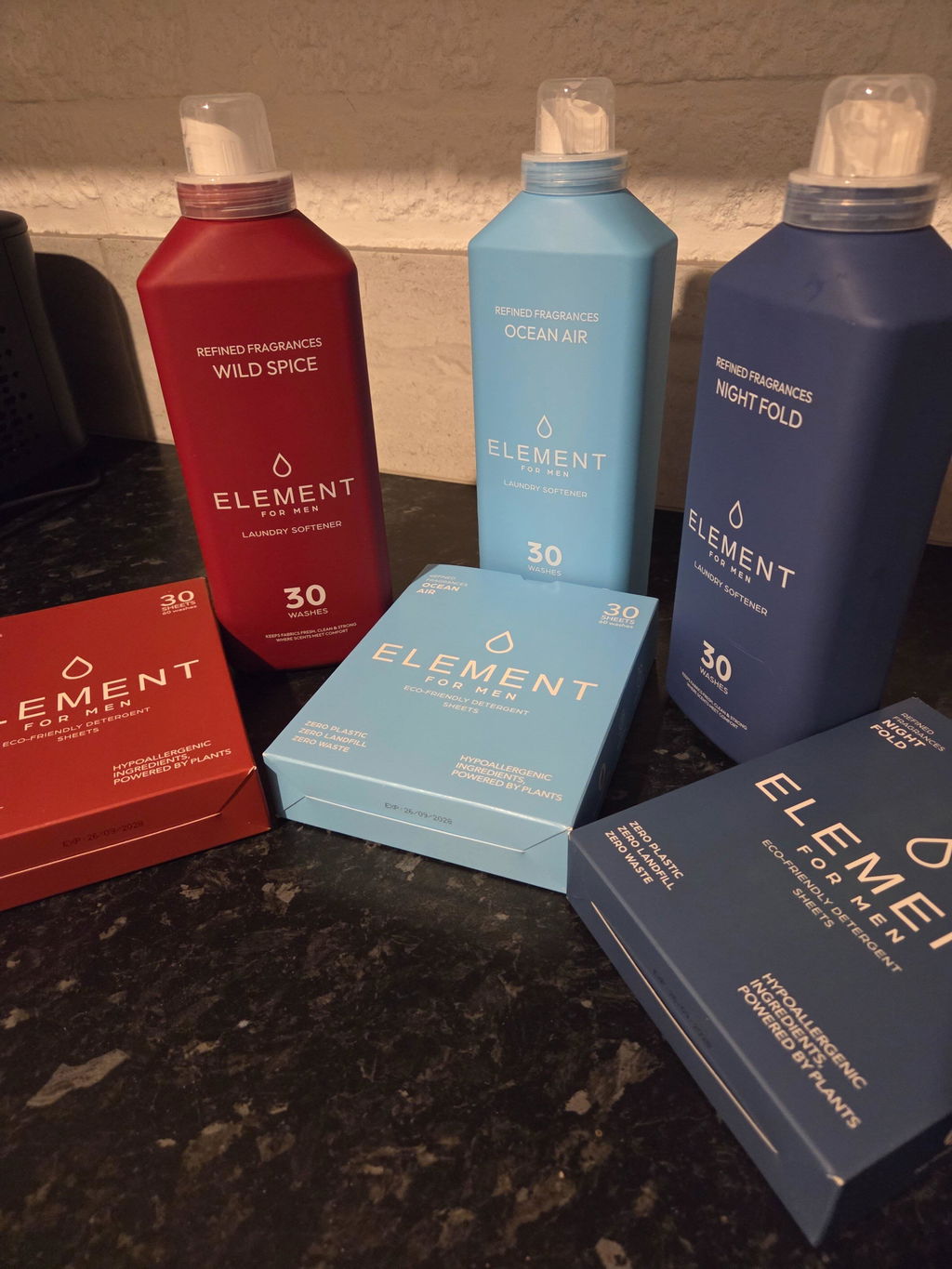
Does Element remove stains?
Our sheets contain the enzyme and surfactant systems the mechanisms above rely on. But we have not published our own comparative stain-removal testing, so we are not going to make you a performance claim we cannot show you the data for. Everything on this page works regardless of whose detergent is in the machine — that is the point of teaching the mechanism.
Related: all laundry questions answered · fabric and garment care · shop detergent sheets