Why Your Clothes Don't Smell Fresh After Washing (and How to Fix It)
You wash them, dry them, fold them away. A couple of days later your favourite shirt smells of nothing at all.
"Fresh" isn't the absence of a bad smell. It's the presence of a good one that holds. The reasons a wash loses it are more ordinary than you'd think, and most of the fixes cost nothing.
Is it the machine rather than the clothes?
Reach into the rubber seal around your machine door and run a finger along the underside. If it comes back grey and faintly sour, you've found the culprit.
Detergent residue, fabric fluff and warm damp build a thin film inside the drum and seal, and every load collects a little of it on the way out. You aren't washing your clothes so much as rinsing them through yesterday's.
The fix: run an empty wash on the hottest cycle every month or two, wipe the seal, and leave the door and drawer ajar between loads. A dry machine can't grow a smell.
Did you know? That musty "damp towel" note has a name researchers actually study. It comes largely from bacteria such as Moraxella, which thrive in leftover moisture and detergent.
Am I using too much detergent?
It feels logical: more detergent, cleaner clothes, stronger scent. It's one of the most expensive myths in the house.
Past a certain point, detergent stops rinsing away and starts staying behind in the fibres. That residue dulls the fabric, traps moisture and gives bacteria more to feed on. The result is laundry that smells flat rather than fresh.
Old cotton is the same problem with a longer history: after a few hundred washes, towels and t-shirts carry a layer of detergent and limescale in the weave, so fresh fragrance has less to bind to. Give those a hot wash on their own to strip it back.
Pre-measured formats solve the dosing side by design — one sheet, one load, nothing to over-pour and far less left behind.
Does it matter if the wash sits in the drum?
We've all done it. The cycle ends, life gets in the way, and the load sits in the drum for a few hours — or overnight.
That warm, damp, sealed space is where a good wash goes stale, and no amount of tumble-drying lifts the smell that grows back. Move the load onto the airer or into the dryer as soon as it finishes; if you can't, a quick rinse-and-spin resets it.
Why does the scent fade without a conditioner?
Here's the part most people miss. Scent needs something to cling to, and detergent alone doesn't give it much.
This is where fabric softener earns its keep. It leaves a fine conditioning layer on the fibres that holds fragrance far longer than detergent on its own — the same reason perfume lasts longer on moisturised skin than on dry. The detergent lays down the first note in the wash; the softener makes it last through the day.
Two caveats, because they're the cases where softener is the wrong tool: keep it off activewear, where the conditioning layer blocks the channels performance fabric uses to wick, and off towels, where it costs you absorbency. More on how scent binds, and why it fades.
Why do some clothes smell stronger than others after washing?
Because fabric decides more than most people expect, and a mixed load rarely comes out even.
Cotton, linen, denim, towels and bedding are porous — they take a scent and keep it. Polyester, nylon and technical sportswear are built to shed water, so they shed fragrance quickly too, and hold onto the skin oils that cause odour instead. The same wash can smell considered on a shirt and of almost nothing on a training top by lunchtime, which is why gym kit needs handling differently.
Mixing fabrics compounds it: wash towels, jeans, shirts and sportswear together and the heavier items soak up the softener. Group similar fabrics and the finish evens out.
Does load size change how laundry smells?
A packed drum is one of the most common causes of flat-smelling laundry, and the easiest to fix. Fragrance needs water and movement to spread; when the drum is full the clothes stop tumbling and the scent never reaches every fibre. Leave enough room to fit your hand between the clothes and the top of the drum.
While you're at the drawer, fill the softener compartment to the line and not above it. Most drawers empty through a siphon that triggers during the final rinse, and overfilling sets it off early, so the dose drains away in the main wash. Where each product goes, and why.
Does the way you dry clothes affect the smell?
More than the wash does, in some cases. Heat drives off the volatile compounds that carry fragrance, so a hot tumble dry takes a good part of the scent with it. An airer is gentler, and the same load holds its scent longer. Strong direct sunlight strips it too.
Two smaller variables sit alongside it. Everyday washes at 30 to 40°C treat fragrance better than very hot ones, and in hard-water areas the minerals interfere with how detergent and softener behave, which can make the result read weaker. Then put clothes away completely dry — slightly damp cotton in a closed drawer develops a musty note within a day that no fragrance covers.
The 30-second routine that works
Put together, the fix is almost embarrassingly simple:
- Clean the machine every month or two, and let it dry between loads.
- Use one pre-measured dose — no more.
- Get the wash out the moment it finishes.
- Add a softener so the scent has something to hold.
- Group similar fabrics, and don't pack the drum.
- Dry in air where you can, and put clothes away fully dry.
Do those and the question stops coming up. If you're choosing a new detergent on scent, how to judge one properly is the next thing to read, and the full laundry guide covers the rest.
The quiet upgrade
None of this is about laundry that announces itself across a room. The goal is subtler: you open the wardrobe and your clothes simply smell like you, still there at the end of the day rather than gone by the bus stop.
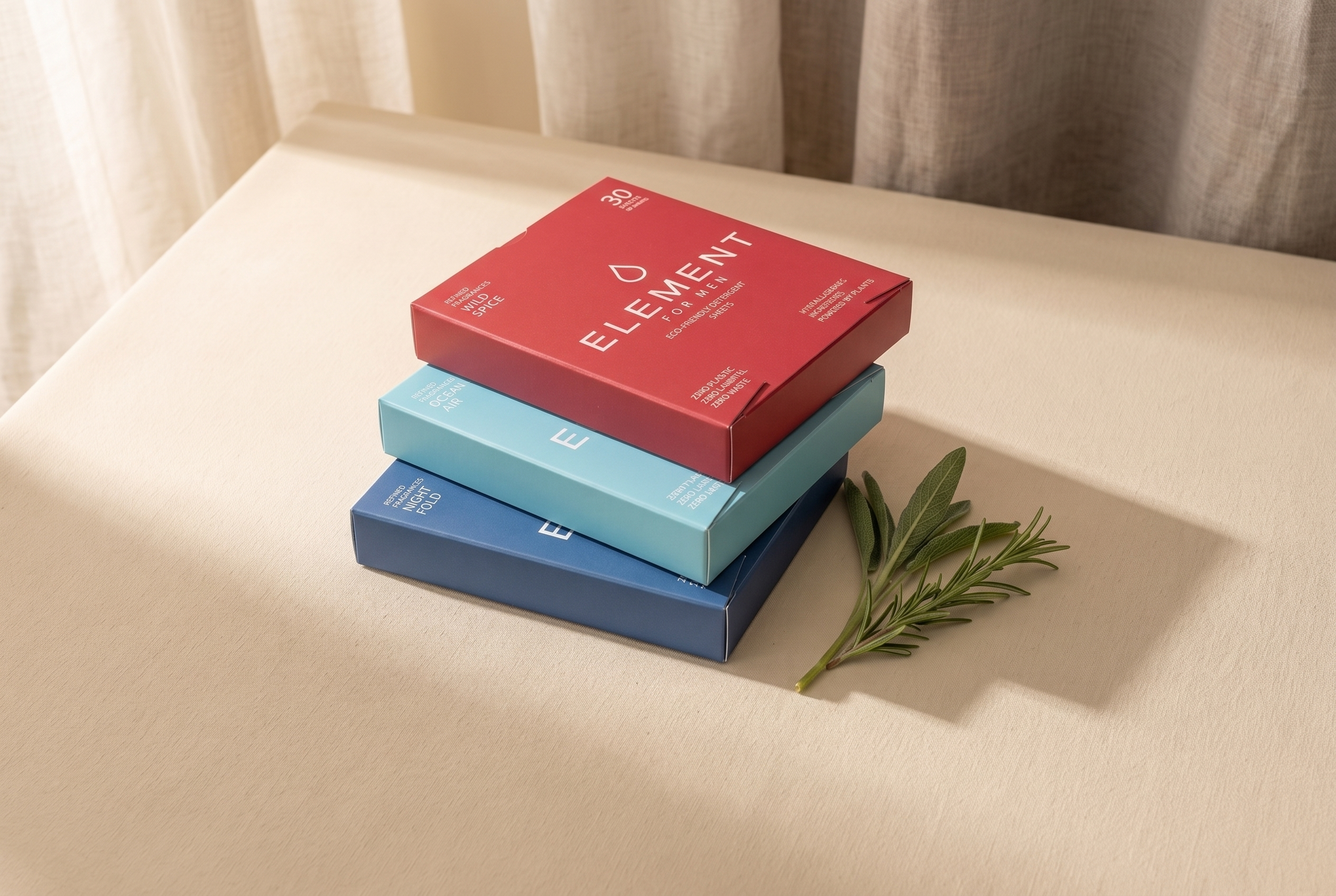
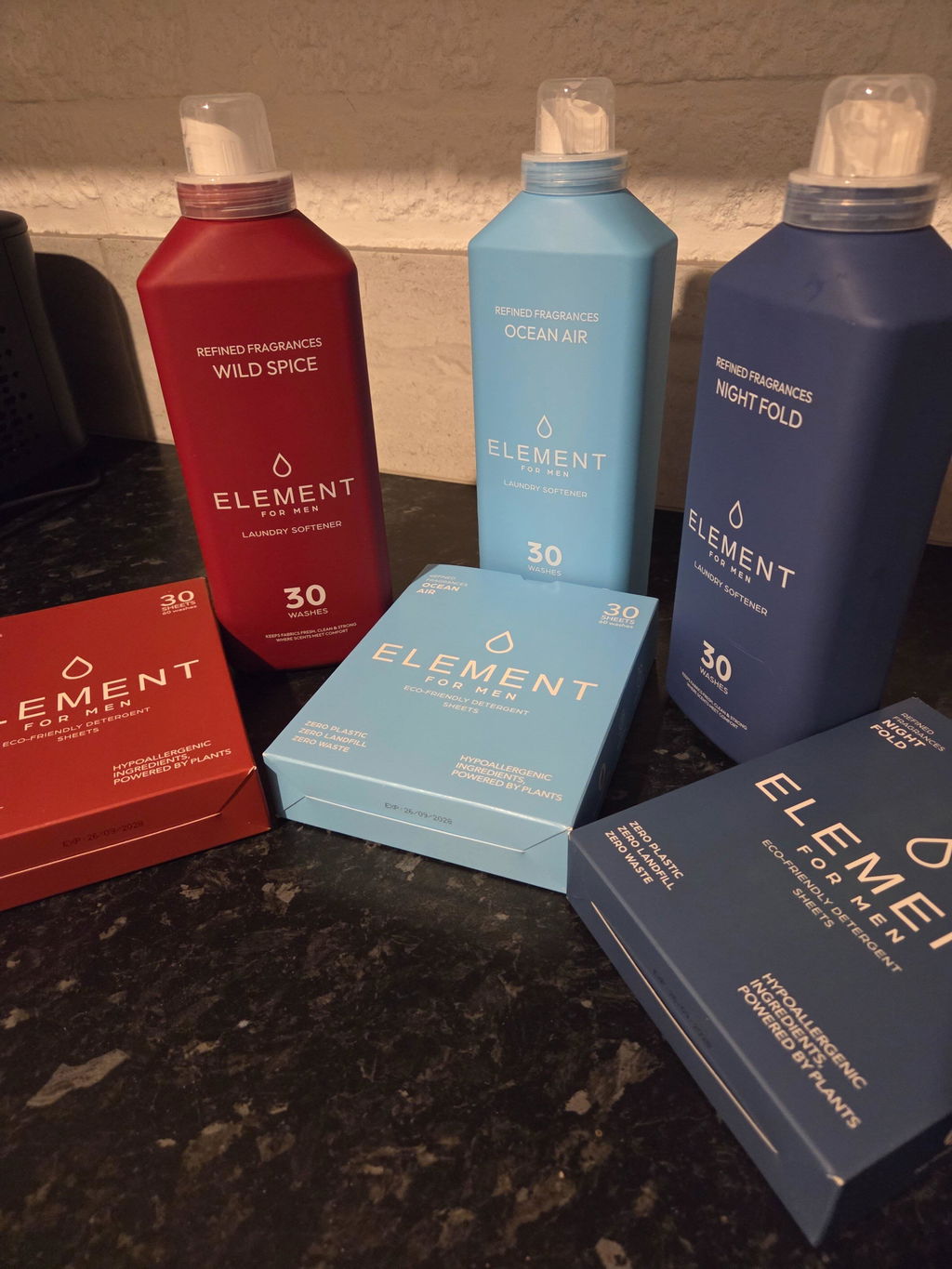
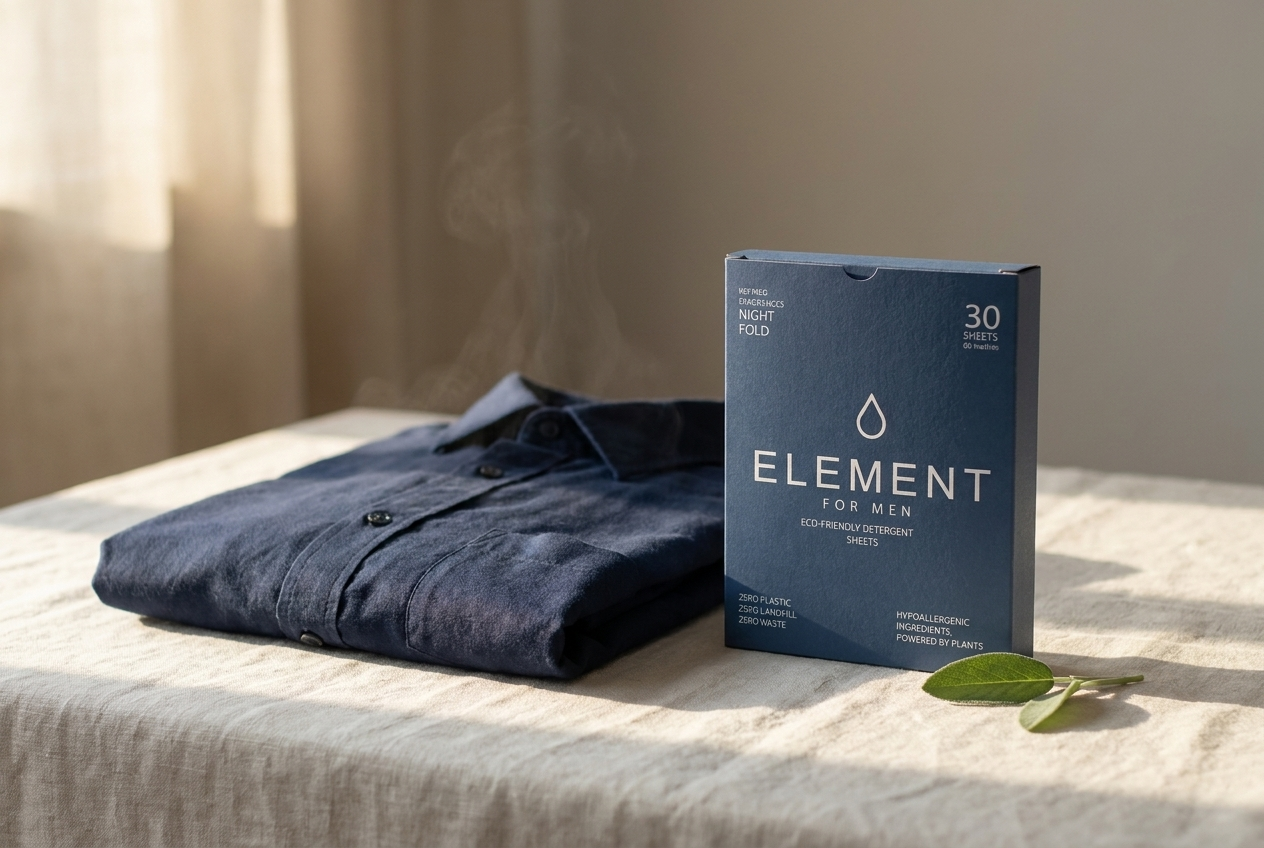
That's the idea behind Element. Three signature scents — Night Fold (fresh, musky, composed), Ocean Air (soft, warm, effortless) and Wild Spice (bright, spiced, confident) — each as a detergent sheet and a matching 1L conditioner, so one scent can be laid down twice. A box holds 30 sheets — 30 washes, up to 60 if you halve them.
Find a scent that lasts: browse the bundles to pair sheet and softener together, or take the 10-second scent quiz.