The Real Reason Fabric Softener Makes Clothes Smell Better
Does fabric softener make clothes smell better? It does — but not for the reason most men assume. It isn't magic, and it isn't just "softness".
The real answer is closer to how a fine fragrance works than to how a detergent works. Understand it once, and every wash you run gets better.
Detergent cleans. Softener makes it last.
A detergent's job is to lift dirt and oils and rinse them away. It can carry a scent in, but most of it leaves with the rinse water. That's why a wash can smell wonderful wet and of almost nothing once it's dry.
Softener works the other way. It's designed to stay behind.
Scent needs something to hold on to
Here's the part most people miss. A smell doesn't last because it's strong. It lasts because it has somewhere to cling.
Fabric softener leaves a fine conditioning layer across the fibres, and that layer gives fragrance something to hold. It's the same reason perfume lasts longer on moisturised skin than on dry skin. Bare fibres shed scent quickly; conditioned ones keep it.
The slow release that gets you to 5pm
That thin layer does one more thing: it releases scent gradually through the day, as the fabric moves and warms against you.
So the freshness isn't a hit at the wardrobe that's gone by the bus stop. It's a quiet note still there in the afternoon — the difference between clothes that smelled clean this morning and clothes that smell good all day.
Myth, busted: softener isn't only about a soft feel. The softness and the staying power come from the same conditioning layer. Skip the softener and you don't just lose plushness — you lose a good deal of the day's scent.
Where softener is the wrong tool
The same mechanism that makes softener work is the reason it doesn't belong everywhere.
That conditioning layer is designed to coat fibre. On activewear, it blocks the engineered channels performance fabric uses to wick, and traps the oils you were trying to wash out — which is why kit can come out softer and smell worse. On towels, the same film costs you absorbency.
So: cotton, shirts, bedding, loungewear and denim, yes. Gym kit and towels, no. We'd rather tell you than sell you the wrong thing.
How to actually use it
Keep it simple. Add softener to the dispenser drawer, not straight onto the clothes. Don't overfill — more doesn't mean stronger, just wasted.
Think of it as two layers: the detergent sheet lays down the first note in the wash, and the softener makes it last. More on how scent binds, and why it fades.
The quiet upgrade
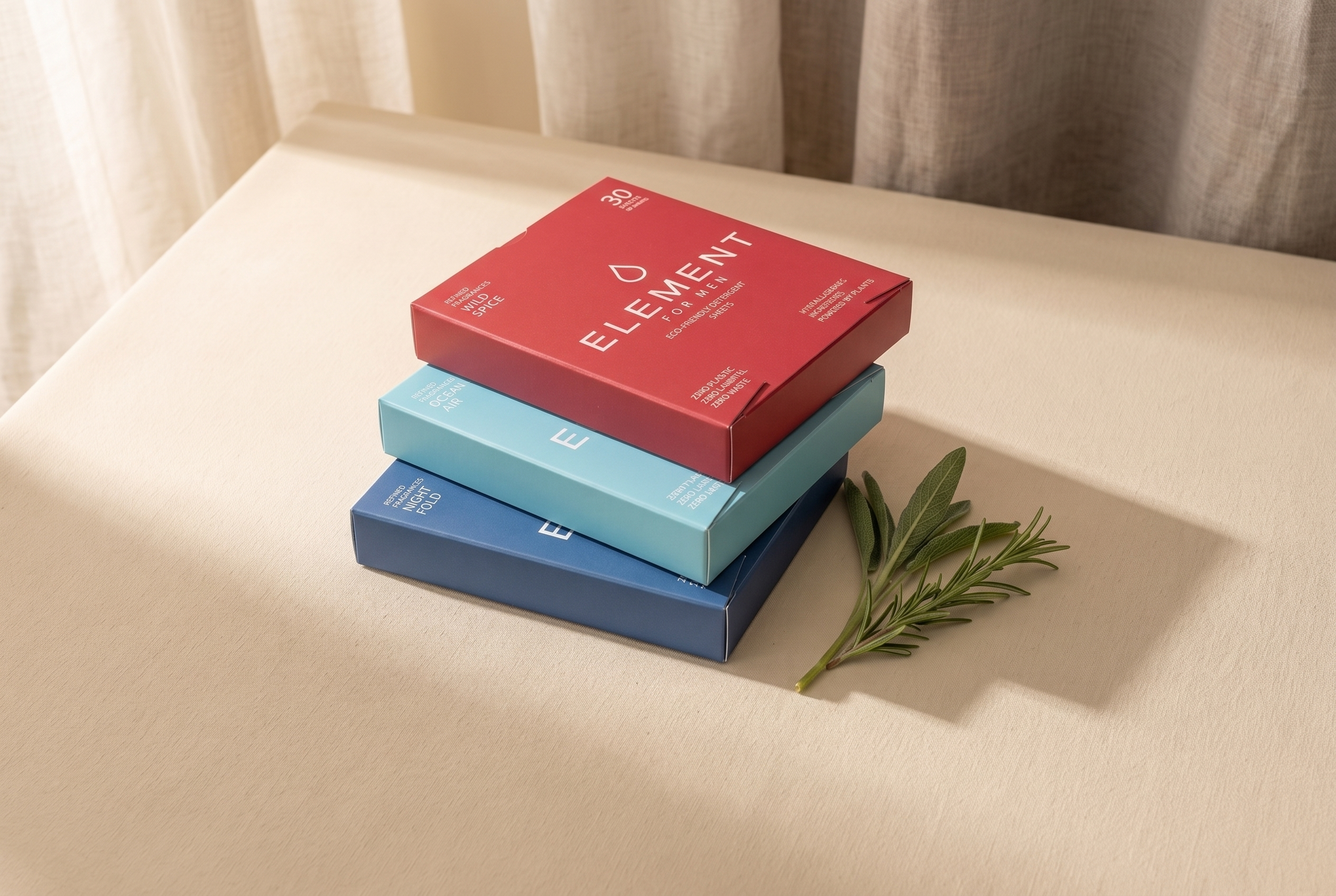
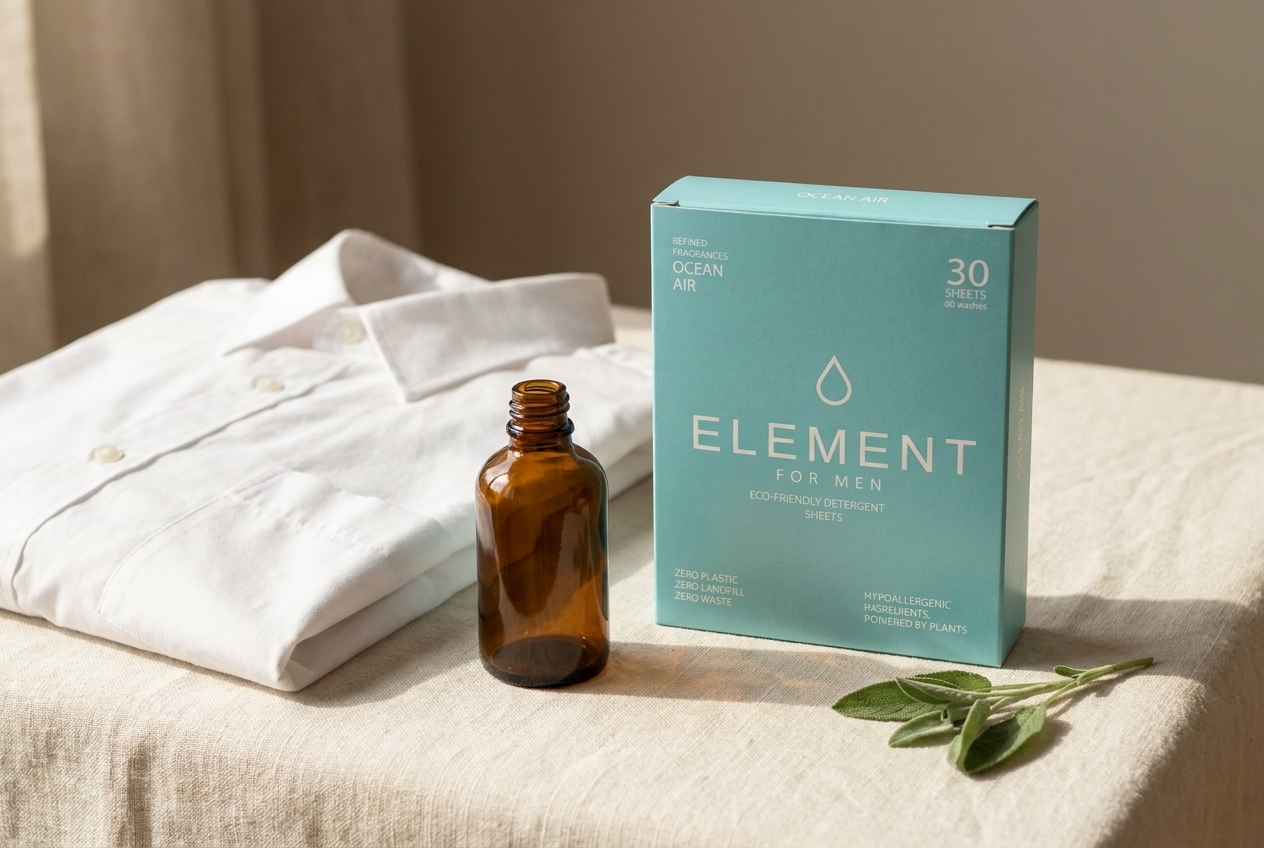
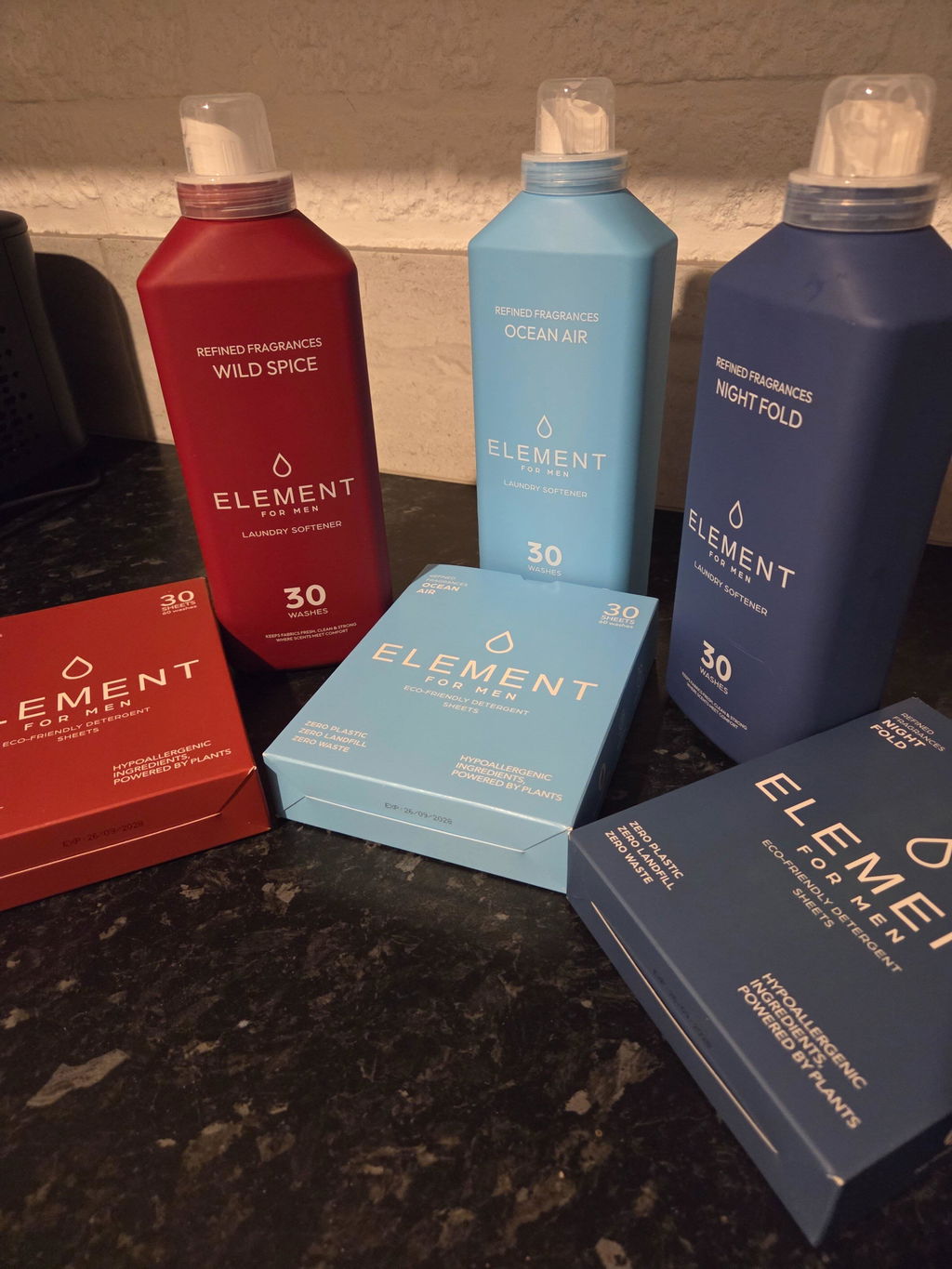
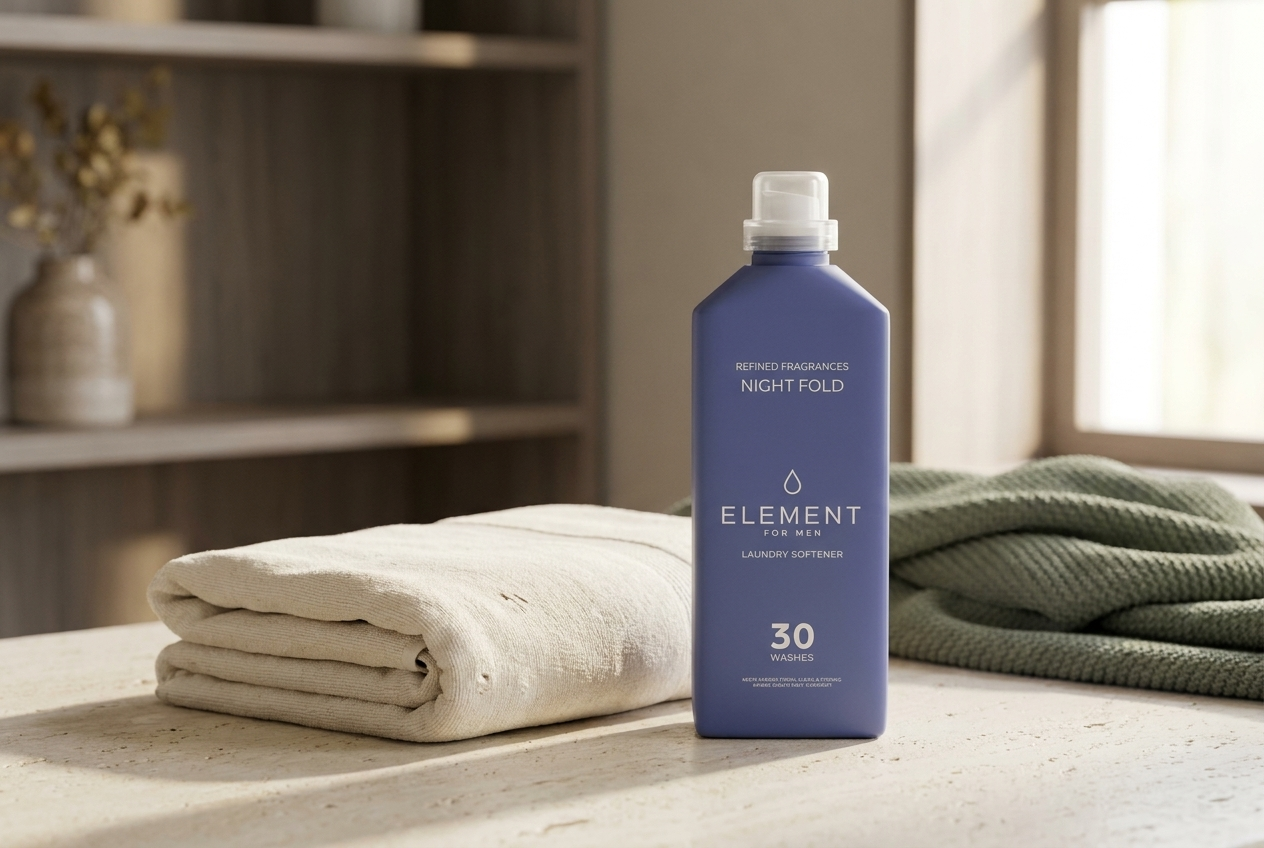
That's the whole idea behind Element — laundry care built the way a fragrance is, so your clothes smell like you, not like the aisle. Night Fold is refined and subtle; Ocean Air is the crisp morning reset.
Add the second layer of scent → Explore the Fabric Softener, or take the 10-second scent quiz if you're deciding between scents.