Fabric Conditioner Sheets, Fabric Softener Sheets and Dryer Sheets — What's What
This is one of the more confused corners of the laundry aisle, largely because American and British usage collided. Worth ten minutes to sort out, because buying the wrong one is a common and avoidable mistake.
The three things, separated
| Product | Where it goes | What it does |
|---|---|---|
|
Dryer sheets often called "fabric softener sheets" |
Tumble dryer, with the wet load | Heat releases a conditioning coating onto fabric as it tumbles. Softens, reduces static, adds scent. Useless without a dryer. |
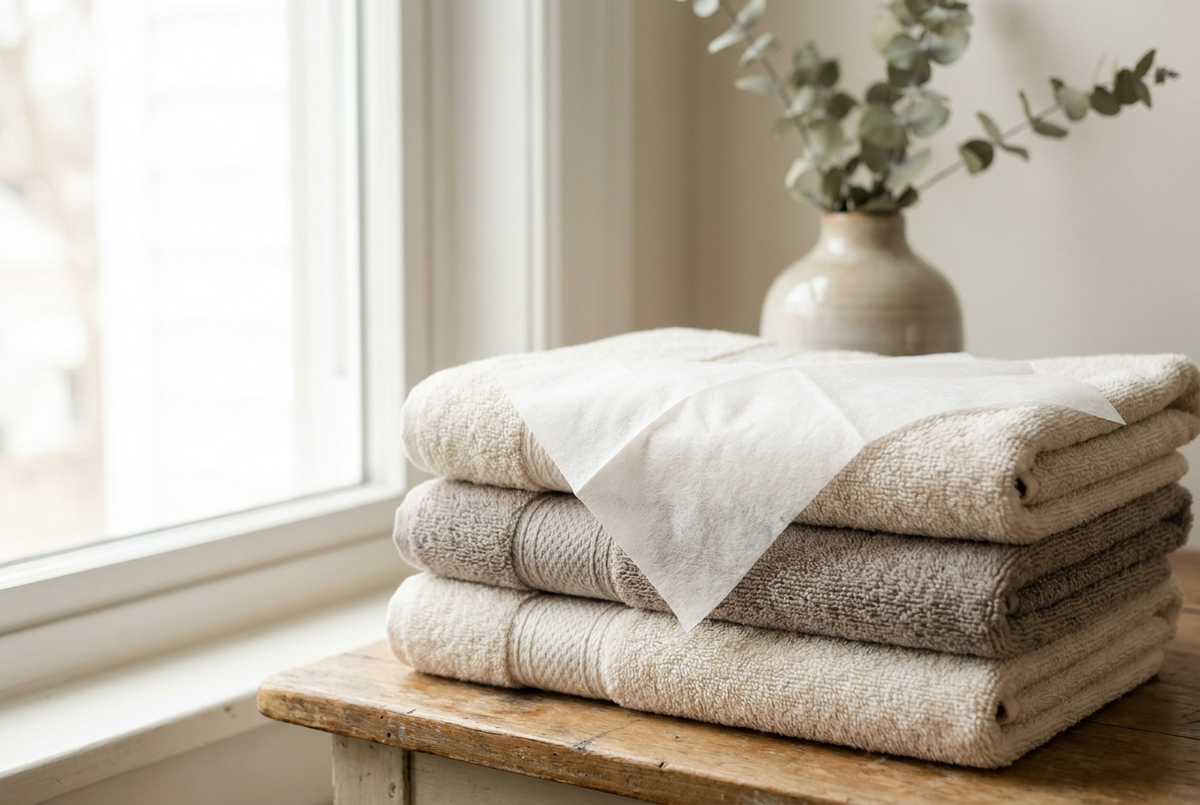
| Fabric conditioner sheets | Washing machine drum or drawer, depending on brand | A dry, concentrated format of liquid conditioner. Same job as liquid, without the bottle. |
| Liquid fabric conditioner | The flower-marked drawer compartment | Held back by the machine and released in the final rinse, once detergent has been rinsed away. |
Why the names got tangled
In the US, "fabric softener sheet" almost always means a dryer sheet, because tumble dryers are near-universal there. In the UK, where a large share of households air dry, the same phrase is often typed by someone looking for a sheet-format conditioner for the washing machine — or simply for liquid conditioner, which most British people call fabric conditioner rather than fabric softener.
Worth knowing: fabric conditioner and fabric softener are the same product with two names. The sheet-versus-liquid question is a separate one from the conditioner-versus-softener question, and they get muddled constantly.
Do dryer sheets work?
In a tumble dryer, yes — they soften, they cut static noticeably, and they leave scent. The mechanism is heat-activated transfer, which is why they do nothing at all in a washing machine and nothing on an airer.
Two honest caveats. The conditioning coating builds up over time on towels, reducing absorbency, and on technical sportswear, interfering with the moisture-wicking the fabric was made for — the same reason liquid conditioner should be kept off gym kit. And residue can accumulate on a dryer's lint filter, which needs washing rather than just clearing every so often.
Do fabric conditioner sheets work?
The concept is sound: a conditioner is a fairly simple product, and there is no technical reason it cannot be delivered dry rather than in a litre of water. The practical issue is timing. Liquid conditioner works because the machine holds it back and releases it in the final rinse, after the detergent has gone. A sheet placed in the drum at the start is present during the main wash, alongside detergent — and detergent and conditioner work against each other chemically. Some products get around this with dosing balls or drawer placement; some do not address it.
If you are considering one, the question to ask is simply: when in the cycle does this actually release? If the answer is "at the start, in the drum", you are getting less than the label suggests.
What Element does, and doesn't
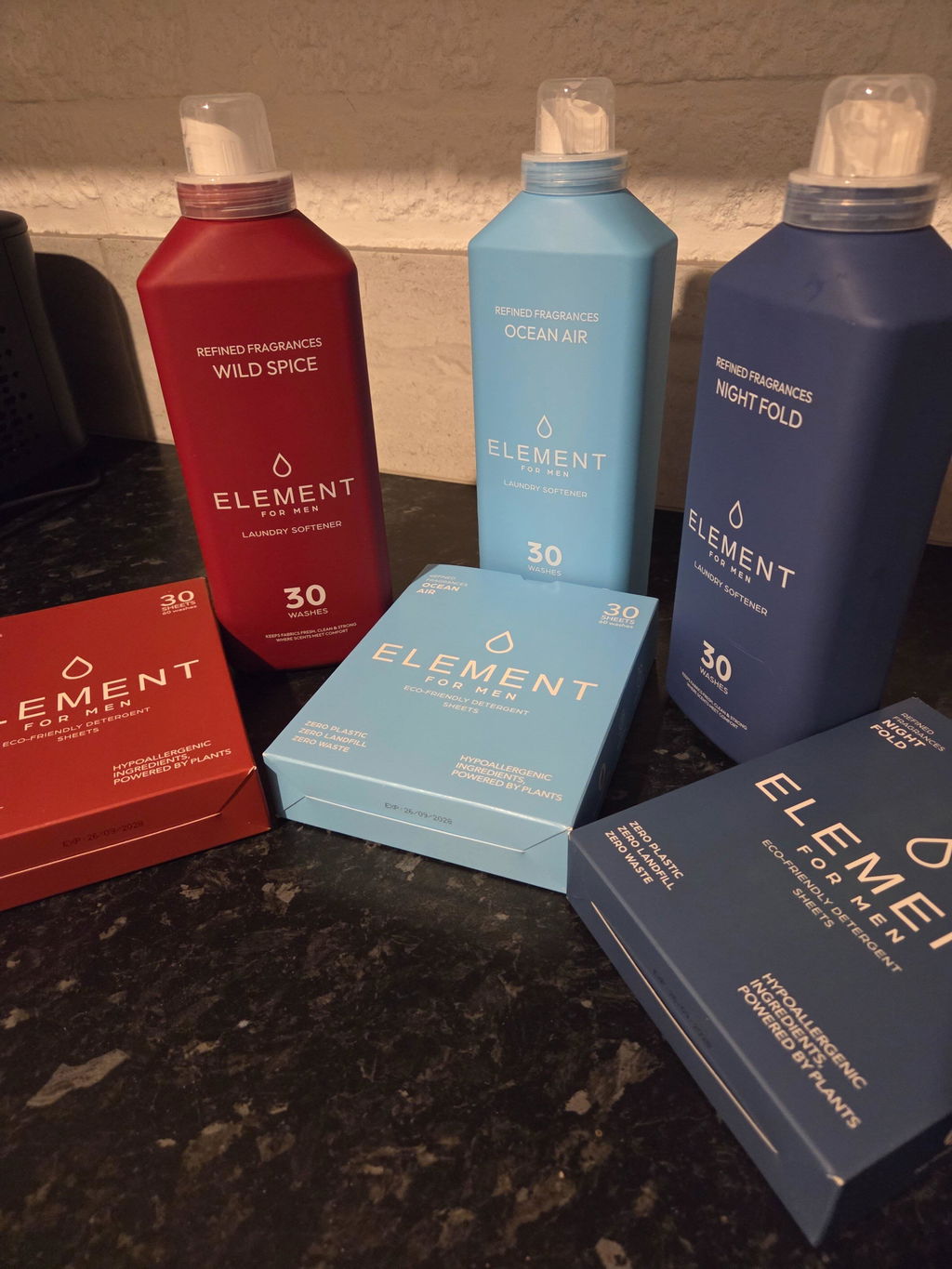
We make detergent in sheet form and conditioner in liquid form, and that split is deliberate rather than accidental.
Detergent belongs in the drum at the start of the wash, so the sheet format fits it perfectly — no bottle, no measuring, no drawer. Conditioner belongs in the final rinse, and the drawer is the mechanism that makes that happen reliably. We would rather use the format that puts the product where it works than the one that makes for a tidier product line.
We also do not make dryer sheets. Most of our customers air dry, so there would be nothing for them to go in.
What to actually do
If you tumble dry and want softness and static control: dryer sheets do the job, used sparingly and kept away from towels and technical fabric.
If you air dry: dryer sheets are irrelevant. Use liquid conditioner in the drawer — it is the only one of the three that will do anything for you.
If your priority is scent that lasts: liquid conditioner in the final rinse, matched to your detergent. Scent survives on fabric because conditioner deposits it last, after everything else has been rinsed away. That pairing is the whole logic behind the Element bundles — a box of detergent sheets and a matching 1L conditioner in one scent, front to back.
Related reading: why fabric softener makes clothes smell better · how long clothes stay smelling fresh.