Why clothes smell, and what actually fixes it
The most common laundry complaint in Britain is a garment that smells clean from the wardrobe and turns the moment it is warm or damp. There is a specific mechanism behind that, and once you know it the fix is obvious. Below is the science, with no product required to understand it.
The mechanism
Why do my clothes smell even after washing?
Because they are not as clean as they look. Body oil — sebum — does not emulsify efficiently at low wash temperatures. It stays in the fibre, where it oxidises and gives bacteria something to feed on. When the garment is cool and dry there is nothing volatile to smell. Warm it with body heat or add moisture from sweat, and the breakdown products lift off. The garment was never clean; it was just cold.
Why does my gym kit smell fine until I start moving?
Same mechanism, faster. Sebum residue left in polyester needs warmth and moisture to release volatile compounds. Your body supplies both within minutes. This is the single most common complaint about synthetic activewear and it is a wash problem, not a fabric problem.
Why does polyester smell worse than cotton?
Polyester is oleophilic — it attracts and holds oil. Sebum binds to the fibre rather than sitting loosely in it, so it is harder to rinse out. Cotton is hydrophilic and holds water more than oil, so sebum washes away more readily. Same sweat, same wash, very different outcome. It is a fibre-chemistry difference, not a hygiene one.
Does sweat actually smell?
No. Fresh sweat is essentially odourless — mostly water and salts. The smell comes from skin bacteria metabolising compounds in sweat and sebum, producing volatile acids and sulphur compounds. That is why the odour builds over time rather than appearing instantly, and why it concentrates where sebum concentrates.
What is the 30°C trap?
UK washing moved decisively to 30°C, driven by ecodesign rules and a decade of energy-saving campaigns. It is right for most loads and saves real energy. But sebum does not emulsify efficiently at 30°C without meaningful thermal energy or the right surfactant, so it stays in the fibre. Britain washes colder than it used to and its clothes smell more than they used to. Those two facts are connected.
Why do my clothes smell of damp?
Different mechanism from body odour. Damp smell is microbial growth from fabric staying wet too long — left in the machine after the cycle, or air-dried slowly in an unventilated room. UK housing makes this common: tumble dryers are far from universal here and indoor drying is normal. Get the load out promptly and dry it fast with airflow.
Fixing it
What is the best detergent for gym clothes?
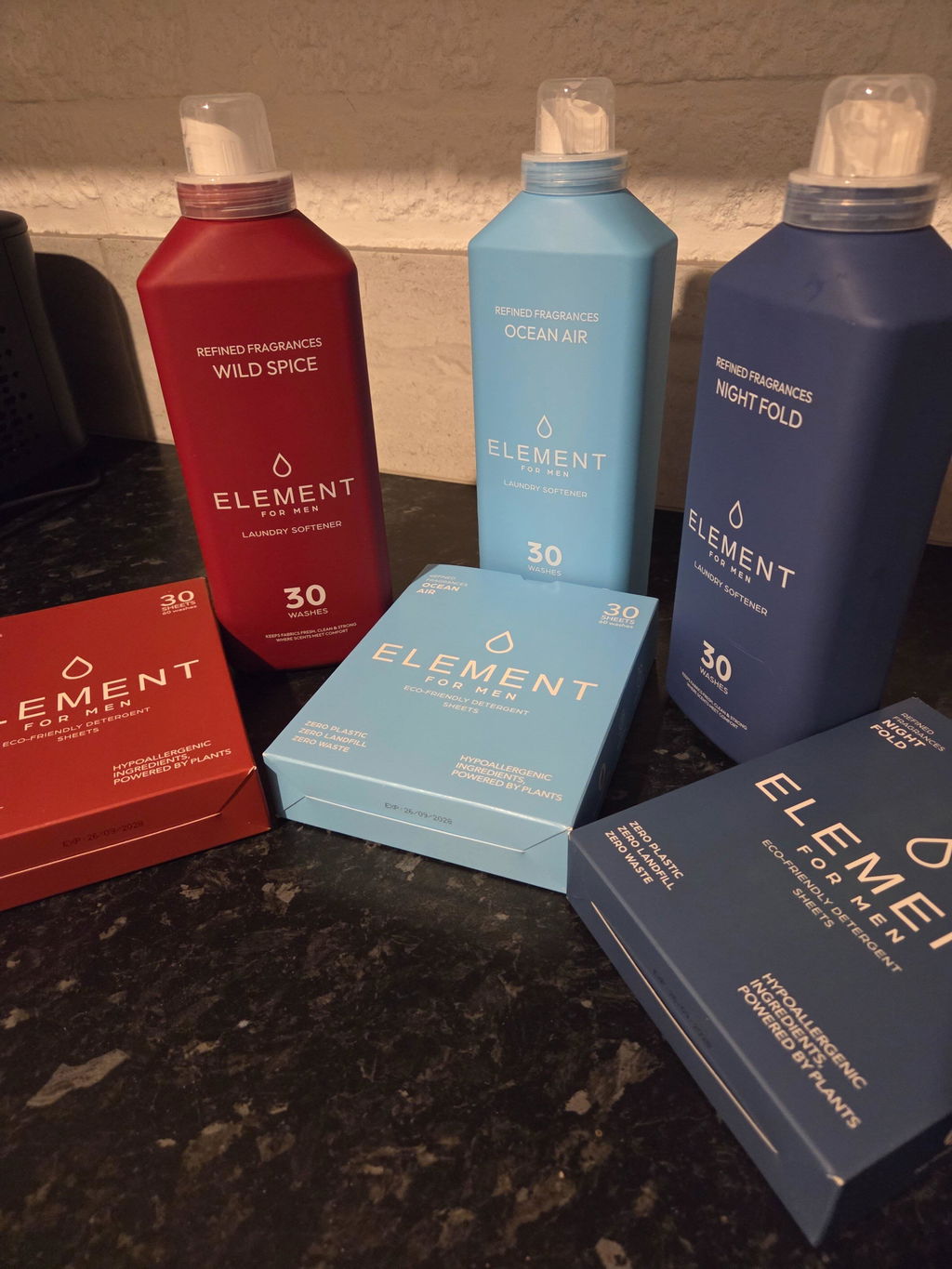
For activewear, technique matters more than brand: wash synthetic gym kit at 40 degrees on a synthetic cycle with an extra rinse, turn it inside out, and skip fabric softener, because softener coats performance fabric and traps the oils you are trying to remove. Element detergent sheets suit this well; use the sheet and leave the softener for cotton and bedding.
What temperature should I wash gym kit at?
40°C on a synthetic cycle with an extra rinse. The extra energy over 30°C is what shifts sebum; the extra rinse clears the loosened soil and residue rather than leaving it in the fibre. Check the care label first — but most performance kit is rated to 40°C.
Should I stop washing at 30°C?
No. 30°C is right for everyday cottons, lightly worn shirts and most of your wash. It is wrong for one specific load: sebum-heavy synthetics. Do not abandon 30°C — make an exception for the load where it fails. That nuance is the whole answer.
Does washing hotter always clean better?
No. Hygiene and cleaning are time × temperature × chemistry, not a temperature dial. Heat helps with sebum specifically, because it is a melting-point and emulsification issue. It does not help with protein stains — heat sets those. And it costs energy and shortens garment life. Hotter is a targeted tool, not a general upgrade.
Does an extra rinse actually help?
Yes, more than most people expect. UK front-loaders use relatively little water, so detergent concentration is high and rinsing is less generous than in US top-loaders. Residue left in fibre holds soil and odour and makes fabric feel stiff. An extra rinse is the most underrated setting on a UK machine.
Why does turning clothes inside out help?
Because the soil is on the inside. Sebum, sweat and skin cells are deposited on the surface touching your body. Washing inside out puts that surface in direct contact with water, detergent and mechanical action, instead of making everything work through the fabric from the outside. It also protects prints and finishes.
Does overloading the machine cause smells?
Yes. Fabric needs to move freely for water and detergent to reach it and for rinsing to clear it. A packed drum means patchy cleaning and, worse, patchy rinsing — so residue and soil stay in. Fill the drum to about three-quarters. You should be able to fit a flat hand above the load.
Does soaking help with odour?
Sometimes. A pre-soak gives enzymes time to work on protein and lipid soil before the main wash, which helps on heavily-loaded kit. It is most useful when the garment has sat in a bag. It is not a substitute for the right temperature — soaking cold still will not emulsify sebum.
How long can gym kit sit in a bag before it is a problem?
Hours, not days. A damp garment sealed in a bag is a warm, wet, nutrient-rich environment — ideal for microbial growth. The smell you notice on opening it is the result. If you cannot wash it that day, at least get it out and let it dry; drying pauses the process.
Should I air gym kit before washing it?
Yes, if you cannot wash it immediately. Drying does not clean the garment — the sebum is still there — but it stops the microbial activity that turns sebum into smell. Hang it somewhere with airflow rather than leaving it in a heap.
Deeper problems
What is a stripping wash and when do I need one?
A stripping wash removes accumulated residue — detergent, softener, limescale, body oil — that ordinary washing has left behind over months. You need one if fabric feels waxy, towels stopped absorbing, or kit smells straight out of the machine. Run a hot wash appropriate to the care label with no product, or with a residue-removing wash, and repeat if the water looks dirty.
Why does my kit smell straight out of the machine?
Usually the machine, not the load. Low-temperature washing plus softener residue builds biofilm in the drum, the drawer and the door seal. That biofilm transfers to clean laundry in the rinse. Run an empty maintenance wash at 60°C or above, clean the seal and the drawer, and leave the door ajar between washes.
How do I clean my washing machine?
Monthly, empty, at 60°C or above — the temperature is the point, so a maintenance wash at 30°C achieves nothing. Wipe the door seal, including the fold underneath where water sits. Pull the dispenser drawer out and rinse it. Check the filter. Leave the door ajar so the drum dries.
Why does my washing machine smell?
Biofilm. A decade of cold washing has been excellent for energy bills and bad for drums. Detergent and softener residue plus persistent moisture plus low temperatures give microbes a stable home in the drum, the seal and the drawer. It is a maintenance issue with a maintenance fix, not a broken machine.
Can old odour be removed or is it permanent?
Almost always removable. Persistent smell is accumulated residue and soil, not a change to the fibre. A stripping wash, an enzyme detergent, the right temperature and a genuine extra rinse recover most garments. The exception is fabric that has been physically degraded — but that is wear, not smell.
Do odour-eliminating sprays fix smelly kit?
No. They mask or temporarily neutralise volatile compounds in the air around the fabric. The sebum causing the problem stays in the fibre and starts again the moment the garment is warm. Sprays are a delay, not a fix.
Do hygiene laundry additives help?
Additives that claim to act on microbes are regulated as biocidal products in Great Britain and must contain an authorised active. We do not make products in that category and we will not comment on their performance. What we can say is that the mechanism behind everyday kit odour is sebum left in the fibre — remove that and you remove what the bacteria feed on.
Why does hard water make clothes smell?
Indirectly. Calcium and magnesium ions bind to anionic surfactant, forming insoluble soaps. Part of your detergent dose is consumed neutralising water hardness before it can lift any soil, so a hard-water household is effectively under-dosing without knowing it. Less soil removed means more sebum left, which means more smell. Look up your postcode's hardness on your water company's site.
Where in the UK is the water hard?
It follows the geology. Water moving through chalk and limestone picks up calcium and magnesium; water over granite stays soft. So London, the South East, Essex, Kent, Hertfordshire, East Anglia and parts of the East Midlands and Yorkshire are hard to very hard, while Scotland, Wales, Cumbria and the North West are largely soft. The South West is mixed. Do not reduce it to hard south and soft north — it is more local than that, and your water company publishes the figure for your postcode.
Garment-specific
How do I stop my running kit smelling?
Wash it inside out at 40°C on a synthetic cycle with an extra rinse, no fabric softener, and do not leave it in a bag. Softener is the one people get wrong — it blocks the wicking channels and traps exactly the oils you are trying to remove.
Why does my work shirt smell under the arms?
A combination of sebum, sweat and antiperspirant salts — and aluminium-based antiperspirant residue builds into a stiff, yellowish deposit that traps odour and resists ordinary washing. Pre-treat the underarm area, wash at 40°C, and use an extra rinse. Once the deposit is established it needs a soak to shift.
Why do my towels smell musty?
Two causes, usually together: softener residue reducing absorbency so the towel stays damp longer, and slow drying. Stop using softener on towels, strip the existing residue with a hot wash and no product, and dry them fast with real airflow.
Why does my bedding smell after a few nights?
You lose body oil and sweat every night, and it goes straight into the sheet. Bedding is a sebum load like any other — it just accumulates quietly. Weekly at 40°C to 60°C, depending on the fabric and the label, keeps ahead of it.
Why do my socks smell worse than everything else?
Feet have a high density of sweat glands and the environment inside a shoe is warm, humid and enclosed — close to ideal for the microbial activity that produces odour compounds. Add synthetic sock fibre holding oil and it concentrates. Wash inside out at 40°C with an extra rinse.
Can I fix a smelly jumper without washing it?
Sometimes. Wool has genuine odour-resisting properties and often only needs airing — hang it somewhere with moving air for a day. This is a real fibre advantage and it is why wool travellers wash less. If the smell survives airing, it needs washing.
Element and odour
Will Element stop my clothes smelling?
Here is the honest answer. The mechanism above — sebum, temperature, rinsing — is what governs whether a garment smells, and that is mostly about how you wash, not just what you wash with. Our sheets clean and our fragrance is built to last on fabric. But we have not published our own performance data on sebum removal, so we do not make a claim about it. Fix the temperature and the rinse first; that is free, and it is the bigger lever.
Can I use Element fabric softener on my gym kit?
No. Ours is a cationic softener like every other one, and it will block the wicking channels in performance fabric and trap the oils you are trying to remove. Use the detergent sheet on your kit and keep the softener for cotton, shirts and bedding. We would rather tell you that than sell you the wrong thing.
Does Element make a hygiene detergent?
No. Claims of that kind are regulated as biocidal products in Great Britain and require an authorised active. We do not make one and we do not claim one. We talk about removing what causes odour, not killing anything.
Related: all laundry questions answered · fabric softener questions · why clothes don't smell fresh after washing